





Teeth and older dental work
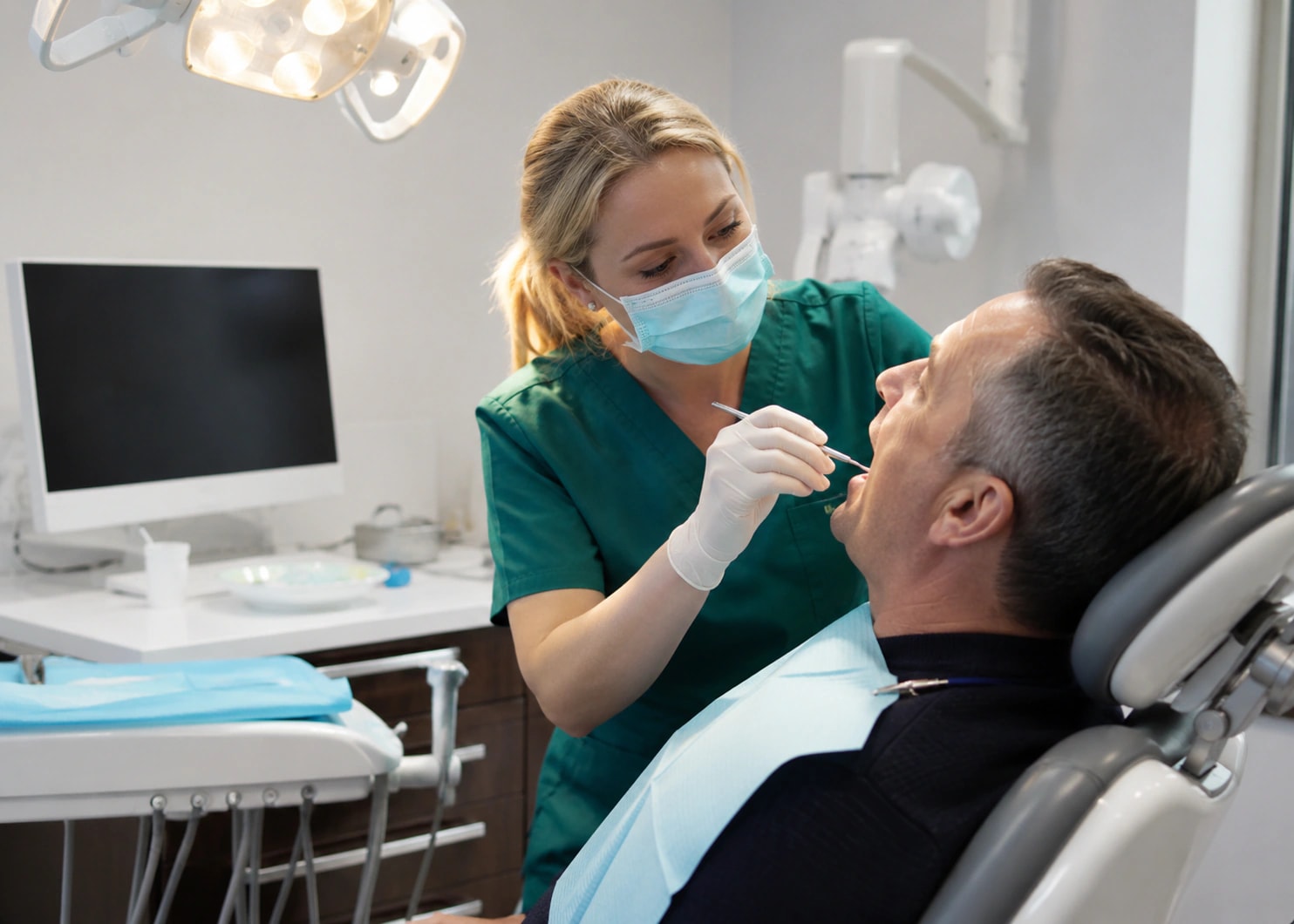
Your dentist checks for decay, cracks, wear, sensitivity, and changes around existing fillings, crowns, bridges, dentures, or implant restorations.
Routine Care
A check-up is not just about looking for cavities. It is a chance to see how your teeth, gums, bite and existing dental work are holding up — and to talk about anything that has changed since your last visit.
Book a check-up if you would like a general review. If you have significant pain, swelling or trauma, call us so we can help choose a more urgent appointment.
Useful for
Routine reviews, overdue visits, gum checks, and treatment planning
Costs
Findings, options, and itemised costs are explained; health fund rebates depend on your cover
RISKS & LIMITATIONS
Possible risks, limitations, expected maintenance requirements, and the potential need for additional care are discussed where relevant before treatment begins.
Start Here
We look for the things that are easy to miss at home: early decay, gum inflammation, worn or cracked teeth, changes around old fillings or crowns, bite or grinding signs, and anything in the soft tissues that needs attention. Records or radiographs are only recommended when they add useful information.
Assessment
A careful assessment before any treatment decisions. The exact assessment depends on your symptoms, history, and what your dentist finds on the day.
Your dentist checks for decay, cracks, wear, sensitivity, and changes around existing fillings, crowns, bridges, dentures, or implant restorations.
Bleeding, tenderness, recession, gum pockets, plaque build-up, and soft-tissue changes can be assessed so your dentist can explain whether hygiene or gum care may be useful.
Wear marks, jaw symptoms, clenching signs, and bite changes can be discussed, especially if you wake with jaw tension or notice teeth becoming chipped or worn.
Radiographs, intraoral photos, or previous records may be used where clinically indicated to check areas that cannot be assessed by sight alone.
Your Appointment
We start with what you have noticed and any medical or dental changes. After the examination, your dentist will explain what looks healthy, what should be watched and what may need treatment or preventive care. If a scale and clean is useful, we will explain how it fits with the findings.
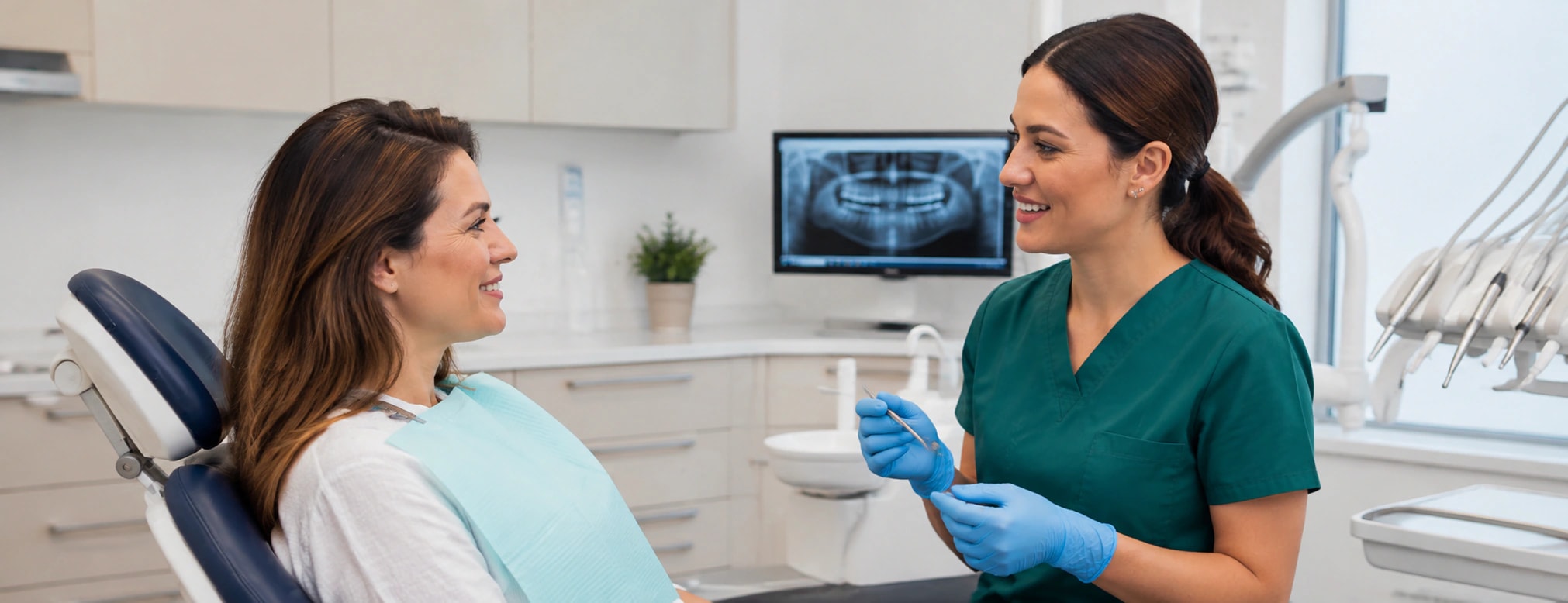
The appointment begins with your dental history, symptoms, medical updates, priorities, and any concerns about anxiety, timing, or cost.

Your dentist reviews your teeth, gums, bite, jaw, soft tissues, and existing dental work. A scale and clean may be discussed or linked with hygiene care depending on what is needed.
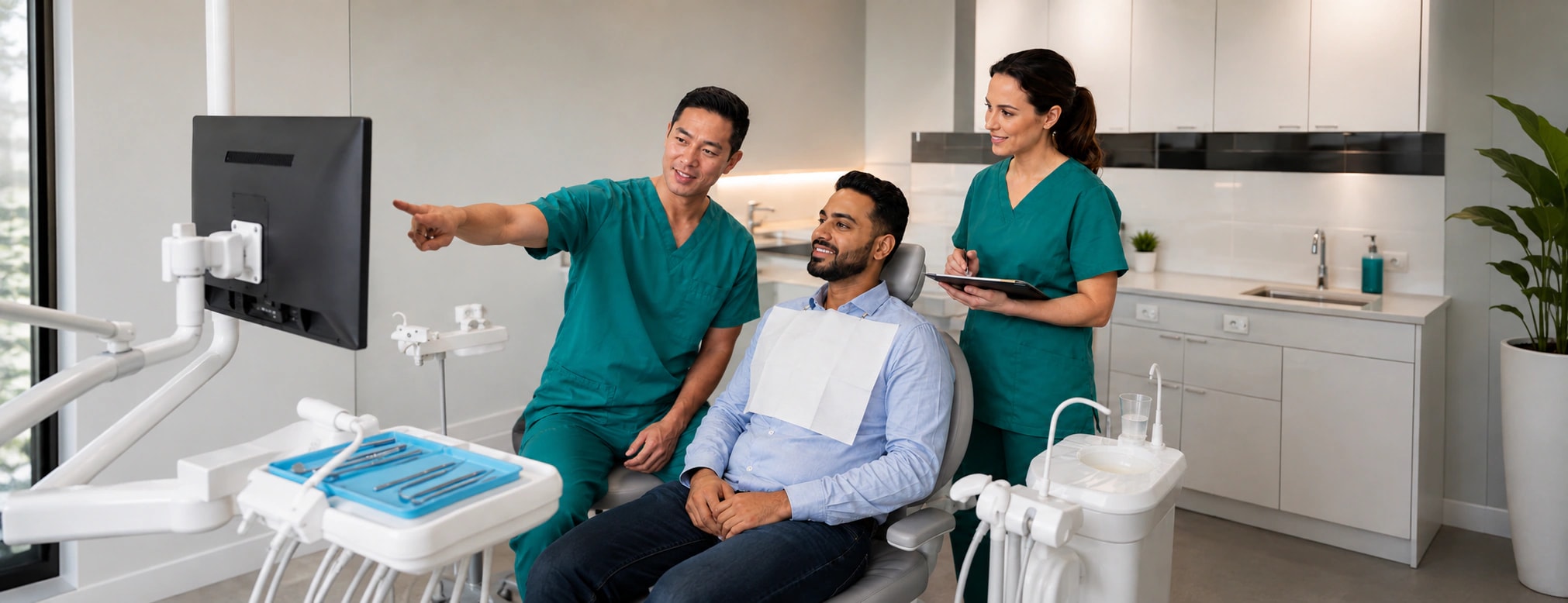
If treatment, prevention, monitoring, or a hygiene appointment is recommended, your dentist explains the reason, options, timing, and costs before care begins.

Recall Timing
Many people are familiar with six-monthly check-ups, but the right recall interval depends on your teeth, gums, risk factors, medical history, home care, and previous dental treatment.
Related Care
Your check-up may show that hygiene, gum care, children's care, or urgent support is the better next page to read.
Fees, Health Funds, Payment Options
Helpful
























FAQs
Answers to common questions about dental check-ups, X-rays, cleans, health funds, recall timing, children, and nervous-patient support.
A dental check-up is an assessment appointment. It gives your dentist a chance to understand what has changed, check your mouth carefully, and explain whether anything needs treatment, monitoring, or preventive care.
The aim is to give you a clear starting point, whether everything is stable or something needs closer attention.
Visit Dalkeith Dental