





Selected minor concerns
Small chips, uneven edges, minor spaces, and shape refinements may be discussed where the tooth, enamel, and bite are suitable.
Cosmetic Bonding
Cosmetic bonding uses tooth-coloured resin to repair selected small chips, uneven edges, minor gaps or shape concerns. Before treating the appearance, we first make sure there is not a crack, decay or bite issue causing the change.
Book for cosmetic bonding advice if the concern is small and stable. If a tooth has just broken, is sharp, painful or sensitive, call us so we can assess it promptly.

Useful for
Selected small chips, uneven edges, minor shape concerns, small spaces, or shade mismatch after tooth health, bite, and suitability are checked
Costs
Fees depend on tooth number, repair size, shade matching, records, staging, and health fund rules; itemised costs are discussed first
RISKS & LIMITATIONS
Possible risks, limitations, expected maintenance requirements, and the potential need for additional care are discussed where relevant before treatment begins.
Start Here
We consider the size of the change, enamel available for bonding, bite forces, shade, habits and how visible the area is. Bonding can be conservative, but it can also stain, chip or need repair over time.
Bonding Planning
Bonding can be useful for selected small concerns, but it has limits. Your dentist can explain what resin can reasonably address and when another option may be more suitable.
Assessment
Your dentist checks tooth health, enamel, shade, bite, gums, existing restorations, alternatives, repair needs, and costs before planning bonding.
The dentist checks chips, cracks, decay, enamel, old fillings, sharp edges, tooth shape, and whether a repair is cosmetic or functional.
Bite contacts, grinding signs, tooth wear, and jaw symptoms are reviewed because heavy forces can affect bonding.
Gums, cleaning access, plaque, staining, and soft tissues are checked before bonding is planned or maintained.
Shade matching, photographs, alternatives, staging, repair expectations, and itemised costs can be discussed before treatment begins.
Your Appointment
We will examine the tooth, discuss what you want to change and explain whether bonding, smoothing, whitening, veneers, a larger restoration or simply monitoring makes more sense.

Your dentist asks what bothers you about the tooth, whether it is sharp or sensitive, and whether you are considering whitening, veneers, or other cosmetic care.
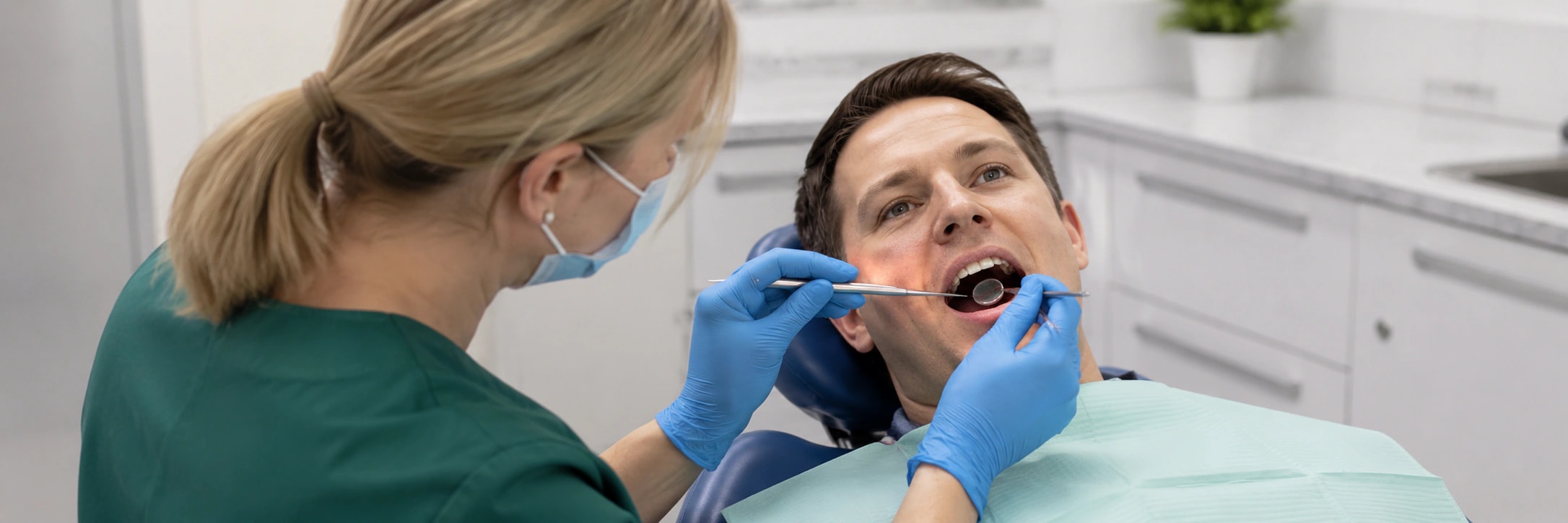
The tooth, gums, bite, shade, existing dental work, and records needs are assessed before bonding is recommended.

Your dentist explains whether bonding, white filling, whitening, veneer planning, crown treatment, monitoring, or repair is suitable, with maintenance and costs discussed first.
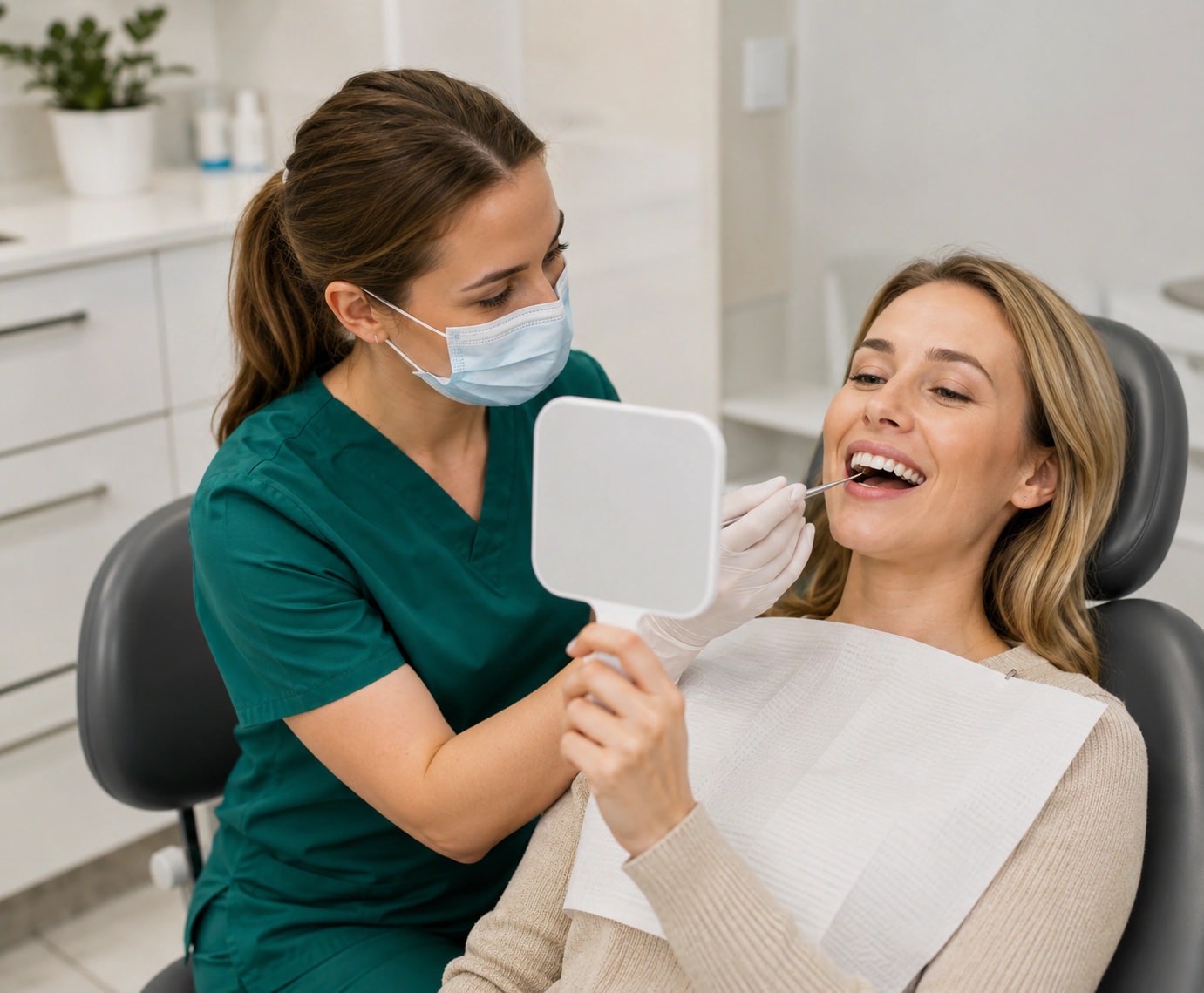
Maintenance
Cosmetic bonding needs review because resin can stain, chip, wear, or lose polish over time, especially where bite forces or habits place extra stress on the tooth.
Related Care
Cosmetic bonding often connects with whitening, veneers, smile makeover planning, white fillings, check-ups, and fee discussions.
Fees, Health Funds, Payment Options
Helpful
























FAQs
Answers to common questions about cosmetic bonding suitability, same-day care, shade matching, staining, chipping, alternatives, costs, and maintenance.
Bonding may be suitable for selected small chips, uneven edges, minor spaces, or shape concerns, but it depends on tooth health, enamel, bite forces, shade, and maintenance needs.
Visit Dalkeith Dental