





When a denture may be repaired
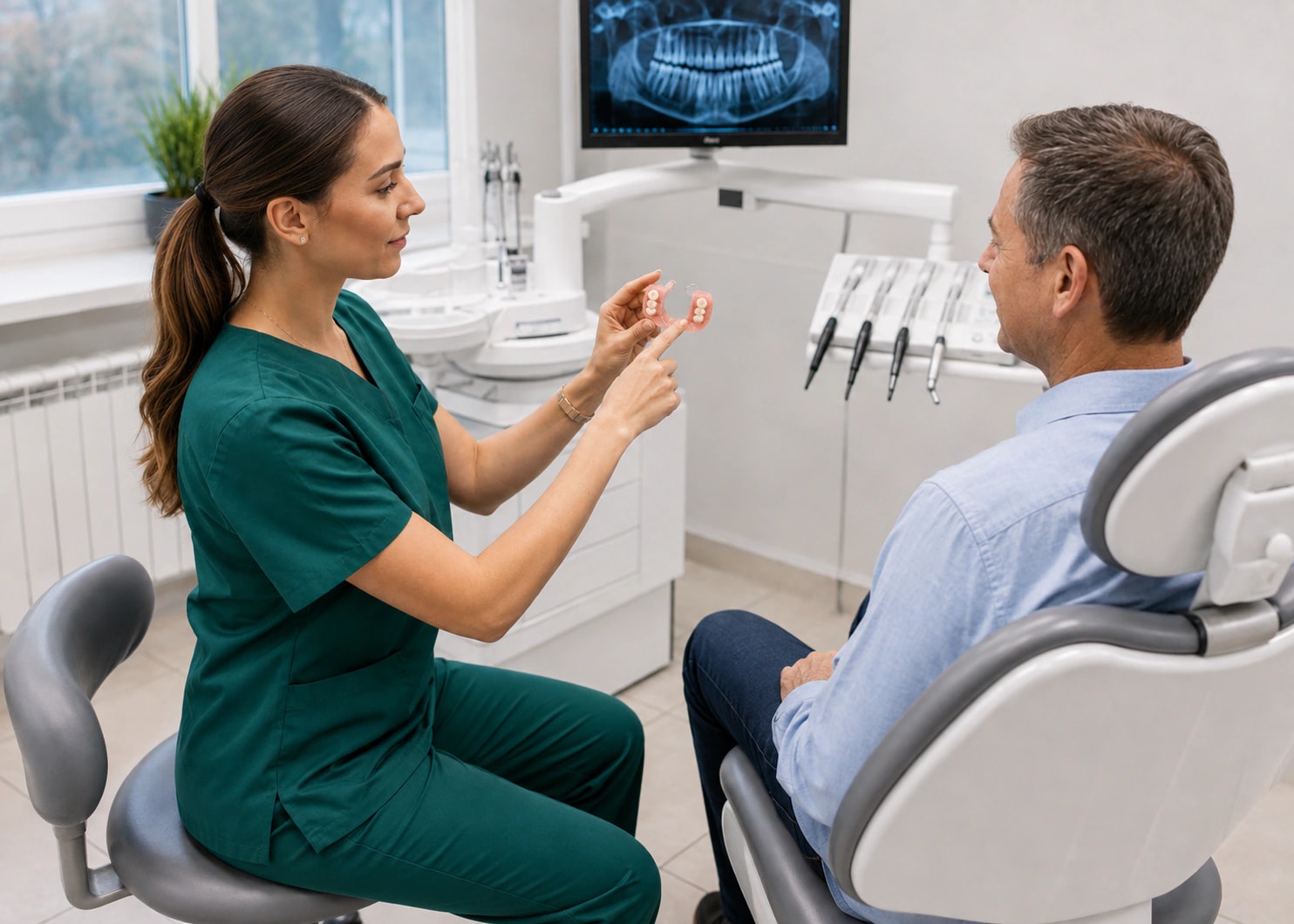
A cracked base, broken clasp, or missing denture tooth may be repairable after checking whether the denture still fits safely.
Removable Tooth Replacement
Dentures can change with time because both the appliance and the mouth underneath it change. A repair may be enough for a simple break, while looseness, repeated repairs or soreness can mean the fit needs a broader review.
Do not glue a broken denture at home. Call us if the appliance has fractured, become painful or can no longer be worn comfortably.
Useful for
Missing teeth, loose dentures, sore spots, cracked dentures, chewing changes, speech concerns, or replacement planning
Costs
Fees depend on denture type, repair needs, impressions, lab work, appointments, and health fund cover; itemised costs are discussed first
RISKS & LIMITATIONS
Possible risks, limitations, expected maintenance requirements, and the potential need for additional care are discussed where relevant before treatment begins.
Start Here
We examine the denture as well as the gums and any remaining teeth. That helps us decide whether a straightforward repair is sensible, whether the fit can be improved, or whether a new denture or another replacement option should be discussed.
Denture Planning
Denture care depends on whether the issue is with the appliance, the supporting tissues, the bite, or broader changes in the mouth.
Assessment
Your dentist checks the denture, gums, remaining teeth, bite, soft tissues, and symptoms before recommending repair or replacement.
The dentist checks the denture base, teeth, clasps, cracks, wear, bite, retention, and whether repair or adjustment is safe.
Gums, sore spots, ulcers, soft tissues, saliva, and areas that support the denture are reviewed before adjusting or remaking the appliance.
Remaining teeth, old fillings, crowns, mobility, decay risk, and cleaning access are assessed, especially for partial dentures.
Repair, reline, replacement, alternatives, lab timing, and itemised costs are explained before work begins where possible.
Your Appointment
Bring the denture and any broken pieces with you. We will check the appliance, your mouth, bite and sore areas, then explain the repair or replacement options and any laboratory timing involved.
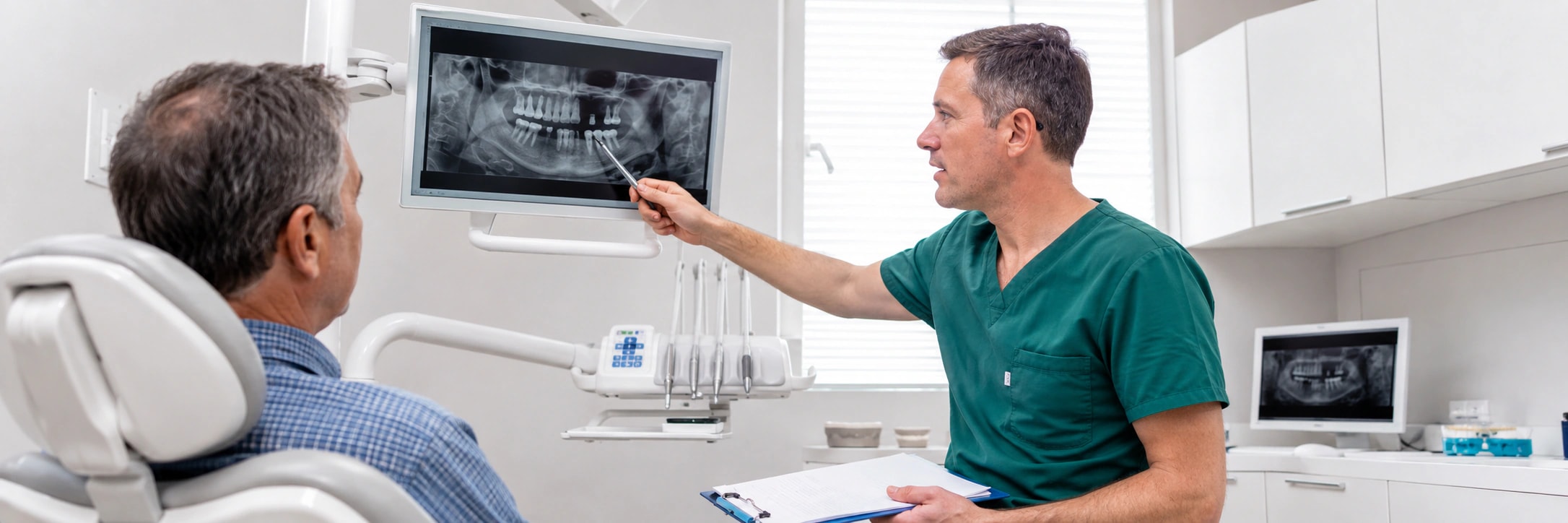
Your dentist asks what has changed, examines the appliance, checks the gums and remaining teeth, and reviews chewing, speech, soreness, and fit.

You are told whether adjustment, repair, reline, new denture planning, bridge comparison, or implant restoration discussion is suitable.

If treatment proceeds, your dentist explains impressions, lab timing, fitting visits, adjustment reviews, cleaning advice, and costs.

Denture Care
Gums, bone, remaining teeth, bite, and denture materials can change with time, so dentures often need review even when they feel familiar.
Related Care
Denture planning often connects with bridges, extractions, implant restorations, emergency care, and fee guidance.
Fees, Health Funds, Payment Options
Helpful
























FAQs
Answers to common questions about dentures, repairs, relines, loose dentures, sore spots, costs, health funds, and urgent denture problems.
Denture options depend on how many teeth are missing, which teeth remain, gum support, bite, comfort, cleaning ability, and budget.
Your dentist can explain which options are relevant after checking your mouth and existing denture if you have one.
Visit Dalkeith Dental