





Restoration versus surgery
This page focuses on the crown, bridge, or denture attached to an implant. If implant placement surgery is part of your plan, surgical suitability, risks, healing, and consent need separate advice for your situation.
Implant Restorations
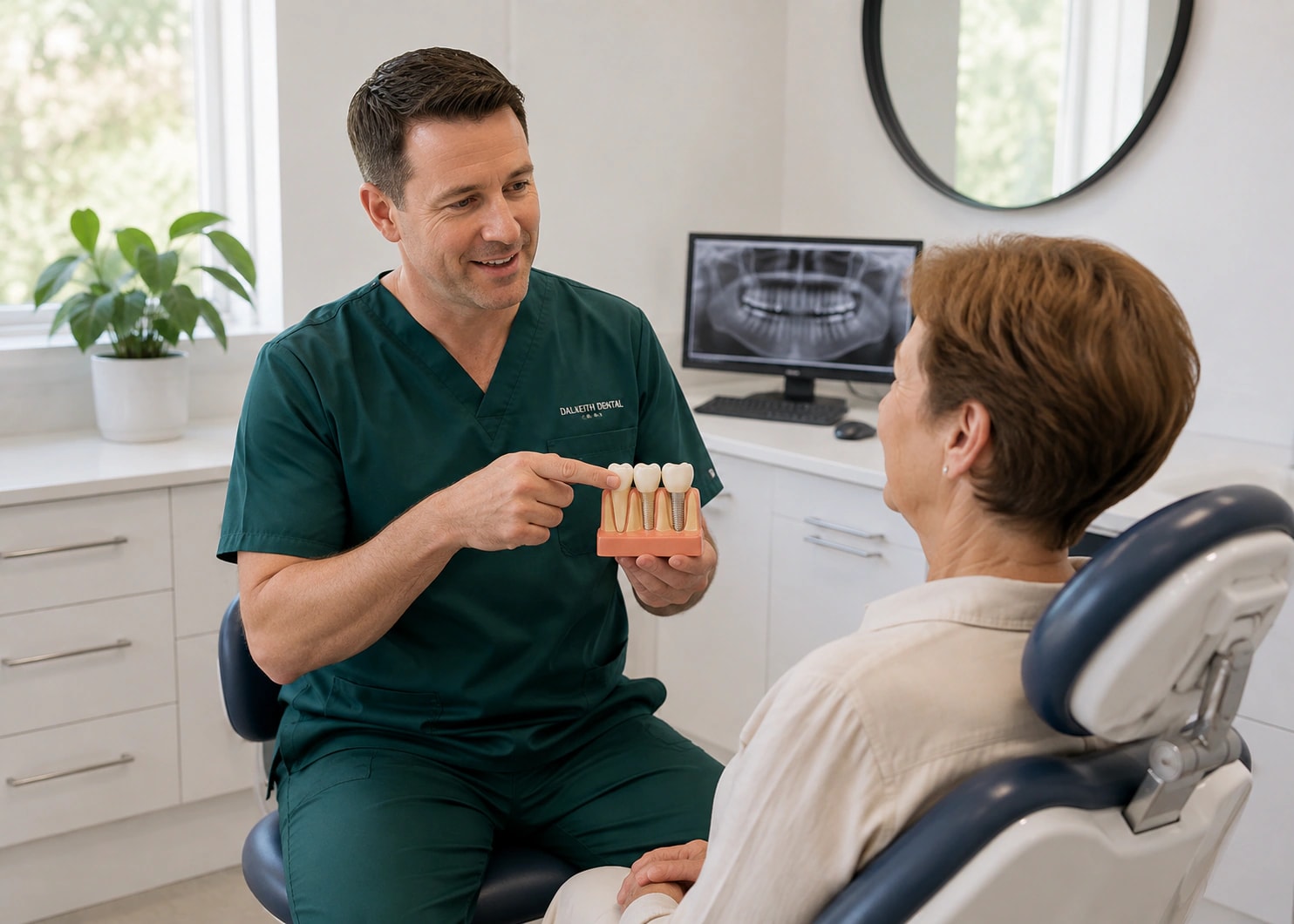
Implant dentistry often involves different stages. At Dalkeith Dental, implant restoration appointments focus on the replacement tooth component — for example an implant crown — and on reviewing existing implant restorations.
Call us if an existing implant crown feels loose, chipped, sore or suddenly difficult to clean. For planned implant restoration advice, you can book online.
Useful for
Planning an implant crown, reviewing an implant placed elsewhere, comparing bridges or dentures, or checking a loose, chipped, sore, or hard-to-clean implant restoration
Costs
Fees depend on records, implant system, restorative option, lab work, staging, and health fund cover
RISKS & LIMITATIONS
Possible risks, limitations, expected maintenance requirements, and the potential need for additional care are discussed where relevant before treatment begins.
Start Here
We review the implant records or components available, the surrounding gums, bite, space, cleaning access and the condition of nearby teeth. If surgical or specialist input is still needed, we will explain that rather than assuming the restorative stage can begin immediately.
Restoration Planning
Implant restoration planning is different from simply choosing a replacement tooth. The dentist needs to understand the implant, the surrounding gums, the bite, and whether the restorative pathway is suitable for your situation.
Assessment
Your dentist checks the implant site or missing tooth space, gums, bite, records, and restoration needs before recommending a pathway.
The dentist checks the implant restoration, missing tooth space, neighbouring teeth, and whether an implant crown, bridge, or denture pathway needs review.
Gum health, cleaning access, soft tissue changes, tenderness, and maintenance needs are reviewed because they can affect implant restoration planning.
Bite pressure, grinding, jaw symptoms, and how the teeth meet are assessed because heavy forces can affect implant components and restorations.
Radiographs, previous records, implant details, referral notes, and itemised cost planning may be needed before confirming the next step.
Your Appointment
Bring any implant records you have, especially if the implant was placed elsewhere. We will assess the site and discuss restoration, maintenance, alternatives, laboratory stages and costs.

Your dentist asks about missing teeth, implant history, previous treatment, symptoms, and what you want to understand. Bring implant brand or system details, previous radiographs, referral letters, or treatment notes if another provider placed the implant.
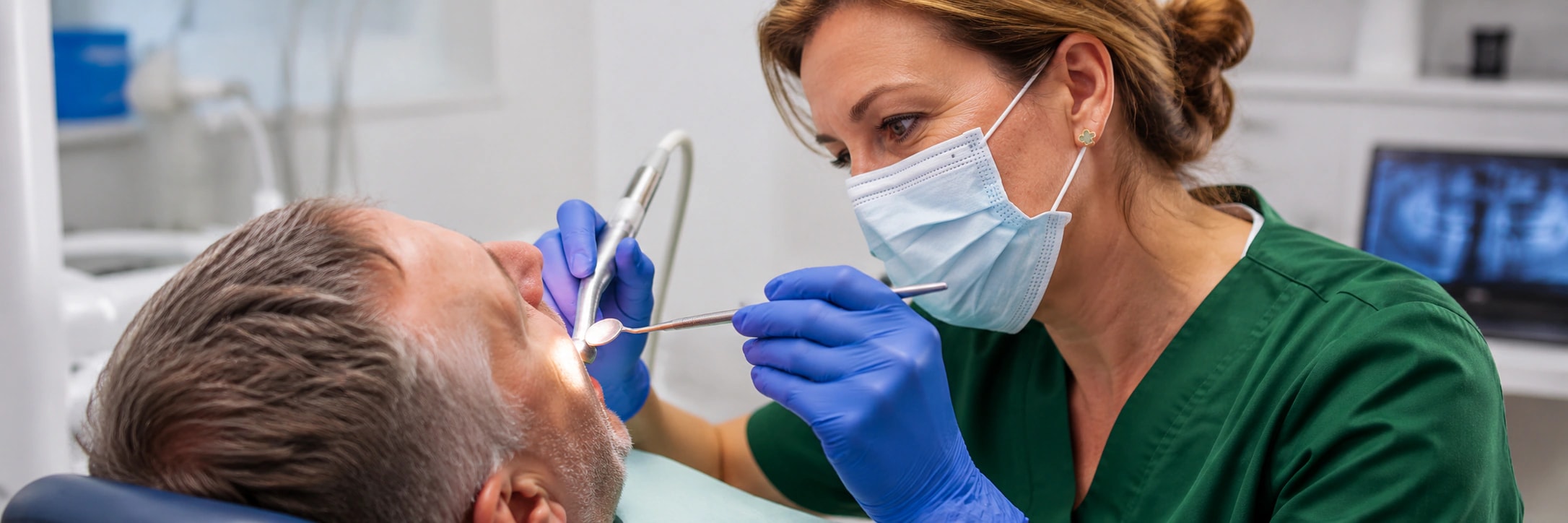
The appointment may include checking the implant site, gum health, bite, neighbouring teeth, and records or radiographs where clinically indicated.

Your dentist explains suitable restorative options, alternatives such as bridges or dentures, maintenance needs, risks, timing, and costs before treatment begins.
Maintenance
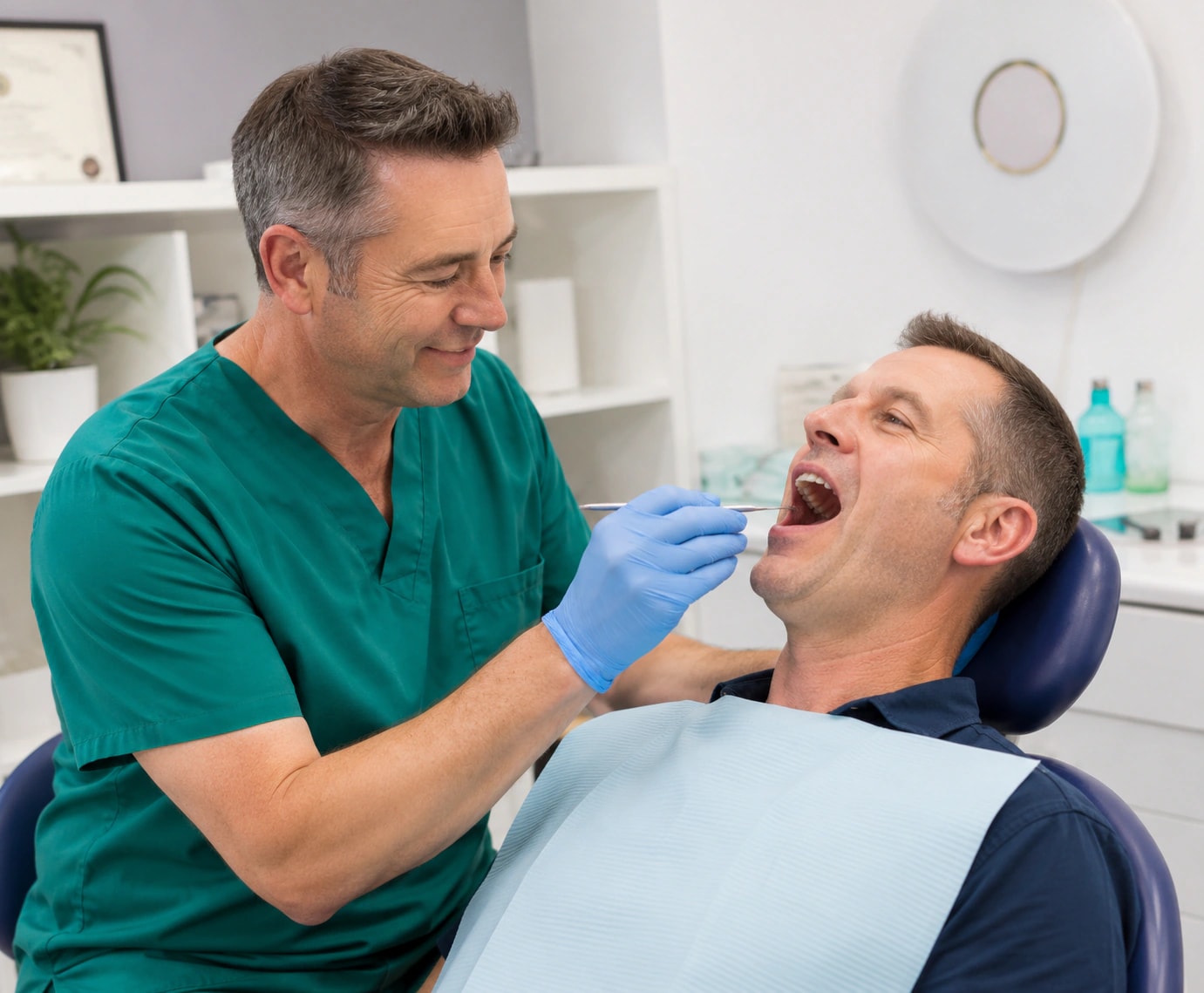
Implant restorations need ongoing review. The implant, attached restoration, gums, bite, and cleaning access can all affect maintenance over time.
Related Care
Implant restorations often sit alongside missing teeth options, bridges, dentures, gum care, and cost planning.
Fees, Health Funds, Payment Options
Helpful
























FAQs
Answers to common questions about dental implant restorations, implant crowns, missing teeth options, records, costs, maintenance, and alternatives.
A dental implant restoration is the replacement tooth or teeth attached to an implant.
This page focuses on the restoration stage, not a promise that implant surgery is suitable.
Visit Dalkeith Dental