





When medical advice is needed
GP, sleep physician, or sleep study advice may be needed to diagnose sleep apnoea and confirm whether an oral appliance is appropriate to consider.
Dental Sleep Appliance Assessment
Snoring and sleep apnoea can have medical causes and health implications, so dental appliance care should sit within the right medical context. A dentist can assess whether your teeth, gums, bite and jaw are suitable for an oral appliance after appropriate medical advice or diagnosis.
If you are concerned about snoring or possible sleep apnoea but have not had medical advice, speak with your GP or sleep physician as part of the process.

Useful for
Dental suitability assessment for an oral appliance after snoring or sleep apnoea concerns have been discussed with an appropriate medical practitioner
Costs
Fees depend on records, appliance type, review needs, medical documentation, lab work, and health fund cover; itemised costs are discussed first
RISKS & LIMITATIONS
Possible risks, limitations, expected maintenance requirements, and the potential need for additional care are discussed where relevant before treatment begins.
Start Here
We do not diagnose sleep apnoea at a dental appointment. We review the medical or sleep information you have, then assess the dental factors that affect whether an oral appliance can be made, worn comfortably and monitored over time.
Sleep Appliance Planning
A dental appliance pathway should be planned with clear medical context and realistic dental checks, because snoring and sleep apnoea can have broader health implications.
Assessment
Your dentist checks sleep documentation, teeth, gums, restorations, bite, jaw joints, and appliance tolerance before recommending a dental appliance pathway.
Your dentist reviews sleep-related documentation, referral context, symptoms discussed with your medical practitioner, and what outcome is being considered.
Teeth, fillings, crowns, bridges, gum health, mobility, wear, and cleaning are checked because the appliance needs stable dental support.
Bite, jaw joints, muscle tenderness, grinding signs, mouth opening, and comfort with jaw movement are assessed before appliance planning.
Suitability, limitations, side effects, review needs, lab stages, alternatives, and itemised costs are discussed before treatment begins.
Your Appointment
Bring any relevant sleep-study or medical information. We will check your teeth, gums, restorations, bite and jaw joints, then explain appliance suitability, possible side effects, review needs and costs.

Your dentist asks what has been diagnosed or recommended, reviews referral notes or sleep study information if available, and confirms whether medical advice is still needed.
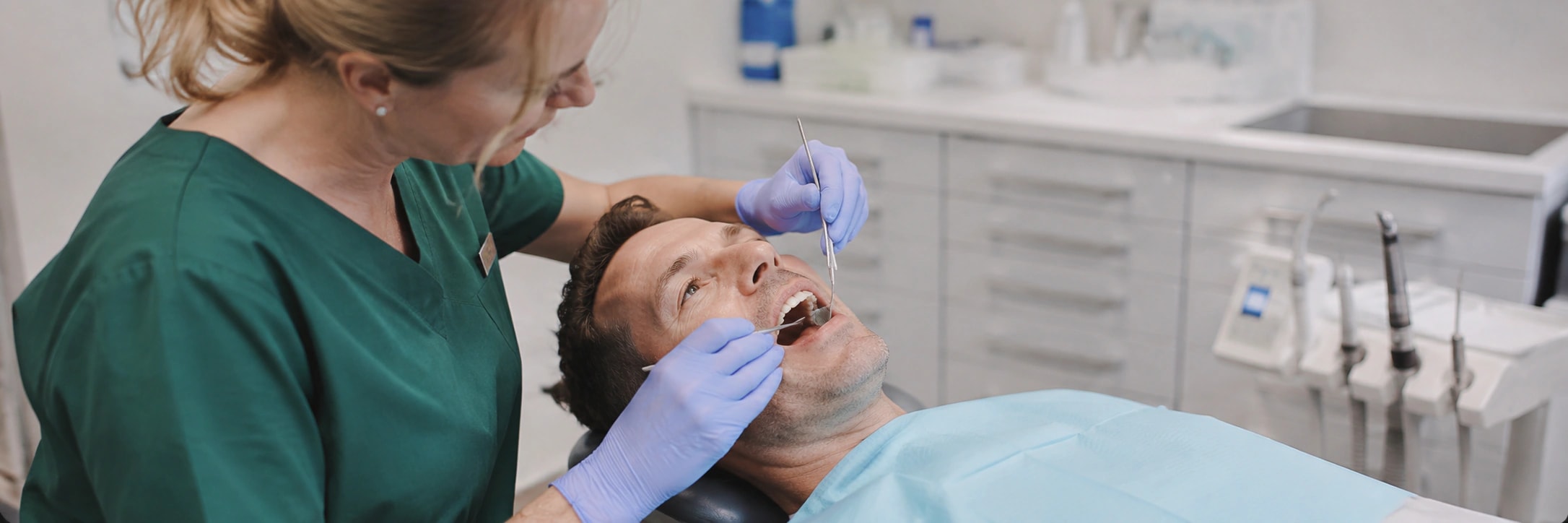
The appointment includes checking teeth, gums, restorations, bite, jaw joints, mouth opening, clenching signs, and whether records are needed.
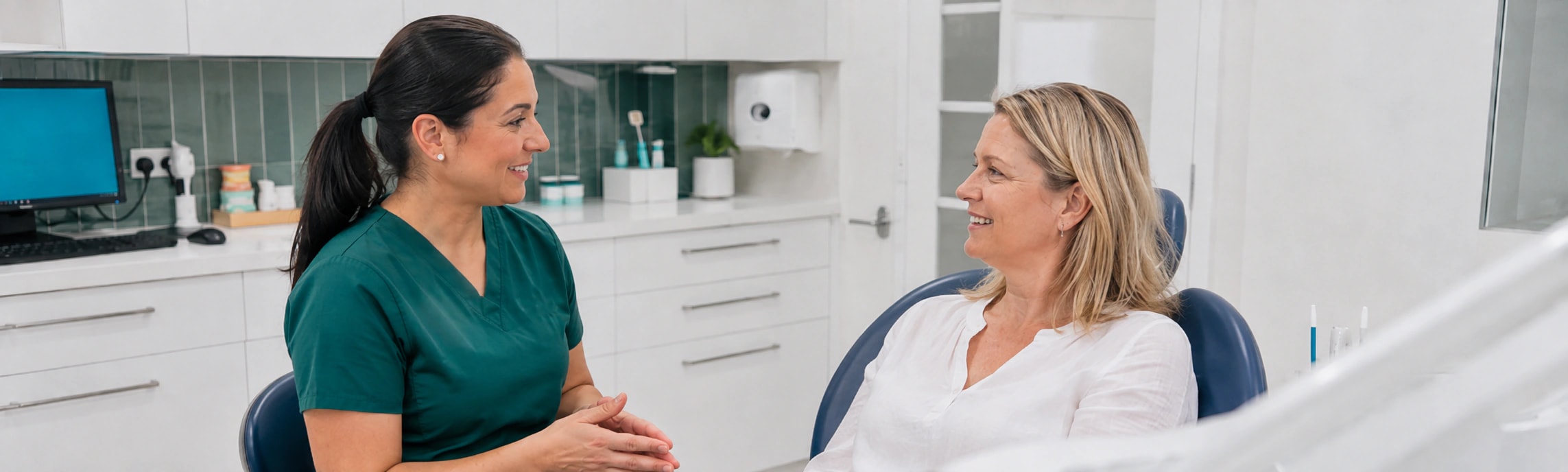
If an appliance may be suitable, your dentist explains records, lab work, fitting, adjustment, side effects, review needs, medical follow-up, and costs.

Review Needs
An oral appliance should be reviewed because comfort, jaw symptoms, bite, tooth position, appliance wear, and sleep-health advice can change over time.
Related Care
Sleep appliance planning can connect with dental check-ups, restoration review, tooth wear, emergency appliance issues, and fee guidance.
Fees, Health Funds, Payment Options
Helpful
























FAQs
Answers to common questions about snoring appliances, sleep apnoea diagnosis, medical advice, dental suitability, side effects, costs, and reviews.
No. Sleep apnoea diagnosis needs appropriate medical assessment, which may include a sleep study and advice from a GP or sleep physician.
Bring referral notes or sleep study information if you have them.
Visit Dalkeith Dental