





When removal may not be needed
A wisdom tooth that is healthy, functional, easy to clean, and not causing problems may be monitored at routine visits.
Wisdom Tooth Assessment
Wisdom teeth do not automatically need to be removed. We usually become concerned when they repeatedly cause pain or gum infection, trap food, develop decay, affect nearby teeth or sit in a position that creates other problems.
If you have swelling, difficulty opening your mouth, worsening pain or signs of infection, call us for advice rather than waiting for a routine appointment.

Useful for
Wisdom tooth pain, swelling, food trapping, recurring gum irritation, bite concerns, or monitoring impacted teeth
Costs
Imaging, tooth position, complexity, referral needs, and health fund cover affect fees; itemised costs are discussed first
RISKS & LIMITATIONS
Possible risks, limitations, expected maintenance requirements, and the potential need for additional care are discussed where relevant before treatment begins.
Start Here
We look at your symptoms, the gum around the tooth, nearby teeth and cleaning access. Imaging may be needed to understand the tooth's position and roots. Depending on what we find, the next step may be monitoring, local care, extraction or referral.
Wisdom Tooth Planning
Wisdom tooth care depends on whether the tooth is causing current problems, is likely to be difficult to clean, or sits close to structures that change the risk profile.
Assessment
Your dentist checks symptoms, gums, nearby teeth, imaging needs, and medical history before recommending wisdom tooth monitoring, local care, extraction, or referral.
Your dentist reviews pain, swelling, food trapping, recurring gum irritation, jaw opening, bad taste, and previous flare-ups.
The wisdom tooth area, nearby molars, gums, bite, decay risk, and cleaning access are checked before treatment options are discussed.
Radiographs or other imaging may be recommended to assess tooth position, roots, bone, nearby teeth, nerves, or sinus anatomy.
Monitoring, local care, extraction, referral, risks, timing, and itemised costs are explained before you decide what to do next.
Your Appointment
Your dentist will talk through what has been happening, examine the area and review imaging where needed. If removal is being considered, the reasons, risks, complexity and costs will be explained first.
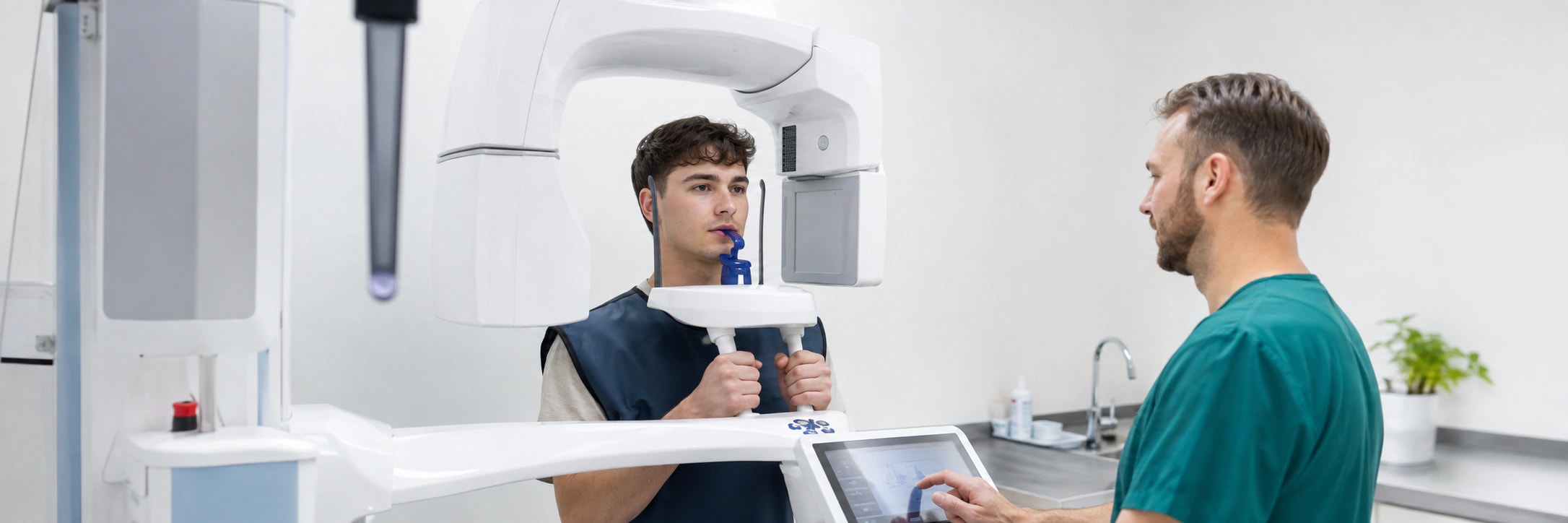
The dentist asks about pain, swelling, food trapping, previous infections, jaw symptoms, medical history, and what has prompted the visit.
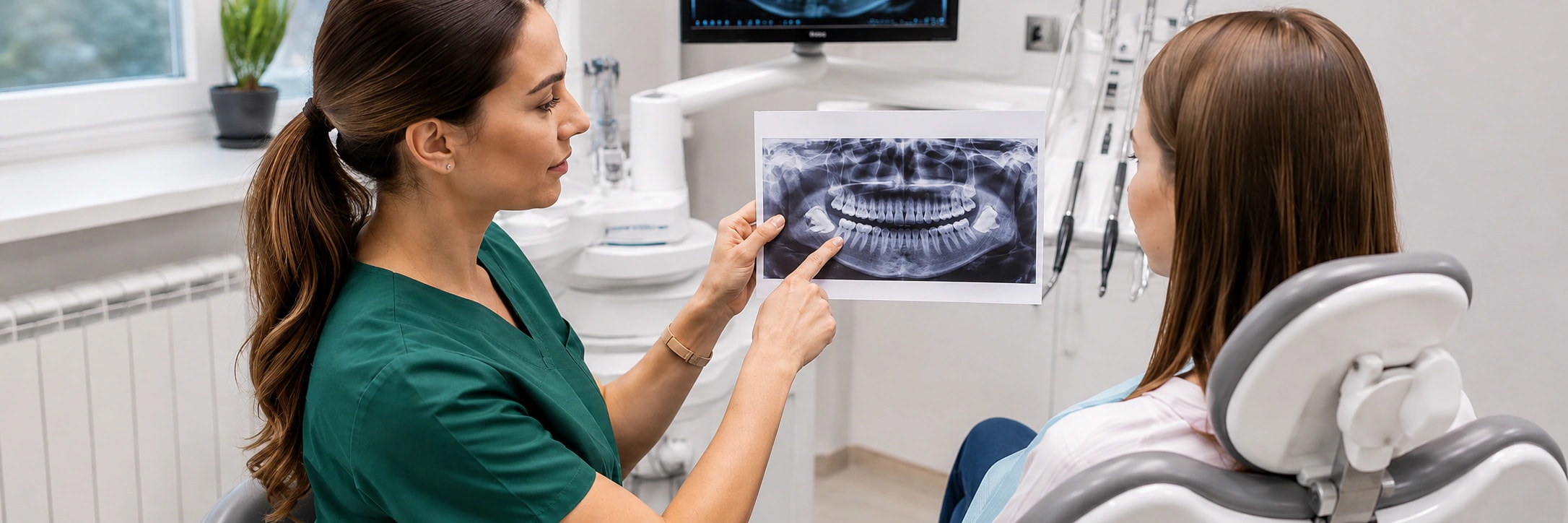
Your dentist checks the gum, tooth position, nearby teeth, bite, and cleaning access, with imaging recommended where clinically indicated.
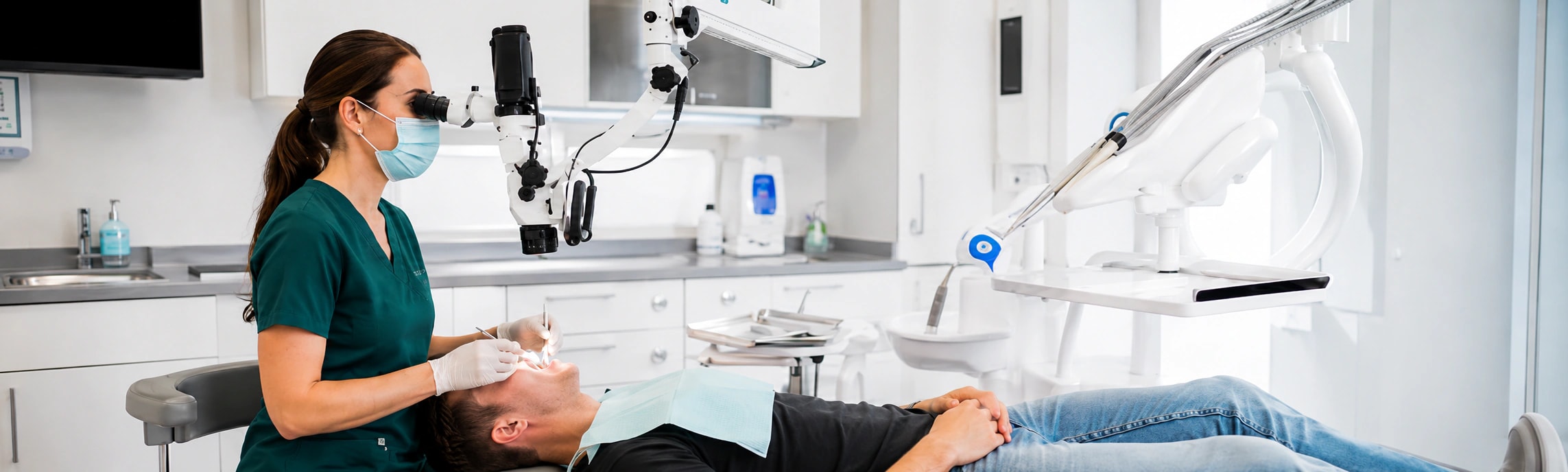
The dentist explains whether monitoring, local care, extraction, referral, or urgent care is appropriate, including risks, timing, aftercare, and itemised costs.

Monitoring
Wisdom teeth that are not removed may still need review, especially if they are partly erupted, difficult to clean, or have caused symptoms before.
Related Care
Wisdom tooth care may connect with tooth extraction planning, routine dental check-ups, urgent dental care, and fee guidance.
Fees, Health Funds, Payment Options
Helpful
























FAQs
Answers to common questions about wisdom tooth pain, removal suitability, imaging, referral, risks, recovery, urgent symptoms, costs, and health funds.
No. Removal is not always needed. Some wisdom teeth can be monitored if they are healthy, functional, and easy enough to clean.
The decision should be based on assessment, not age alone.
Visit Dalkeith Dental