





Gums and plaque patterns
Plaque, calculus, bleeding, gum tenderness, recession, and soft-tissue changes are checked so advice is based on what is actually happening.
Home-Care Support
Most people know they should brush and clean between their teeth. The difficult part is working out which tools and techniques actually suit their mouth, especially around crowded teeth, bridges, implants, dentures, braces or sensitive gums.
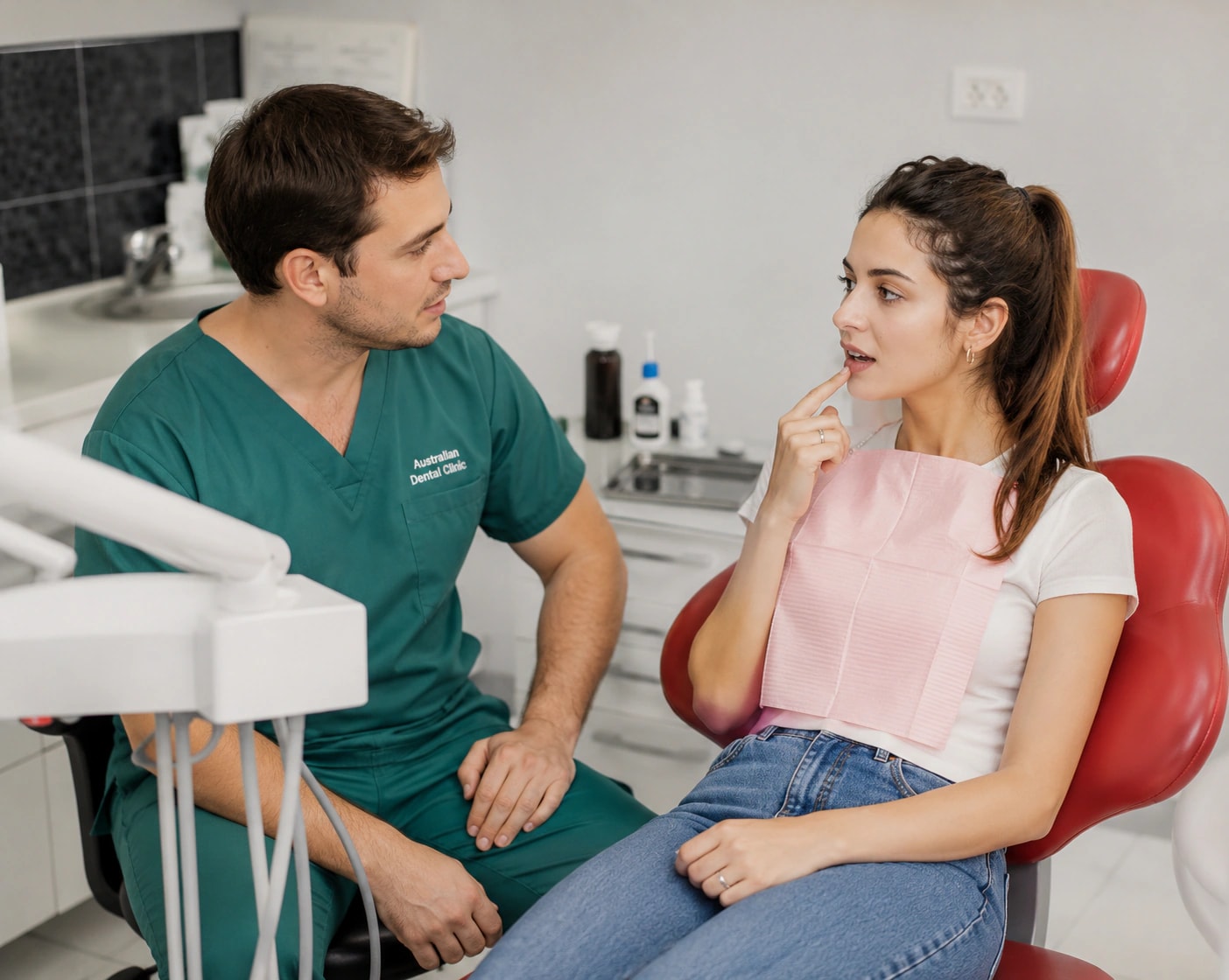
If brushing or flossing feels frustrating, causes bleeding, or you are unsure how to clean around dental work or appliances, bring those questions to your next visit.
Useful for
Bleeding gums, plaque build-up, children learning habits, braces or appliances, sensitivity, dry mouth, and easier daily routines
Costs
Advice may be part of a check-up, clean, or gum visit; itemised costs and health fund item numbers can be discussed first
RISKS & LIMITATIONS
Possible risks, limitations, expected maintenance requirements, and the potential need for additional care are discussed where relevant before treatment begins.
Start Here
We look at where plaque is collecting, what feels awkward at home and what dental work or appliances you need to clean around. Then we can suggest a small number of realistic changes that fit your routine.
Assessment
Your dentist or hygienist checks gums, plaque patterns, restorations, appliances, routines, and suitability before recommending home-care changes.
Plaque, calculus, bleeding, gum tenderness, recession, and soft-tissue changes are checked so advice is based on what is actually happening.
Crowns, bridges, implants, dentures, fillings, crowded teeth, tooth wear, and hard-to-clean spaces can change which tools are useful.
Daily routine, diet, brushing technique, flossing barriers, dry mouth, medications, sensitivity, and children's habits are discussed without judgement.
Mouthguards, splints, dentures, retainers, aligners, or other appliances may need specific cleaning advice and fit checks.
Your Appointment
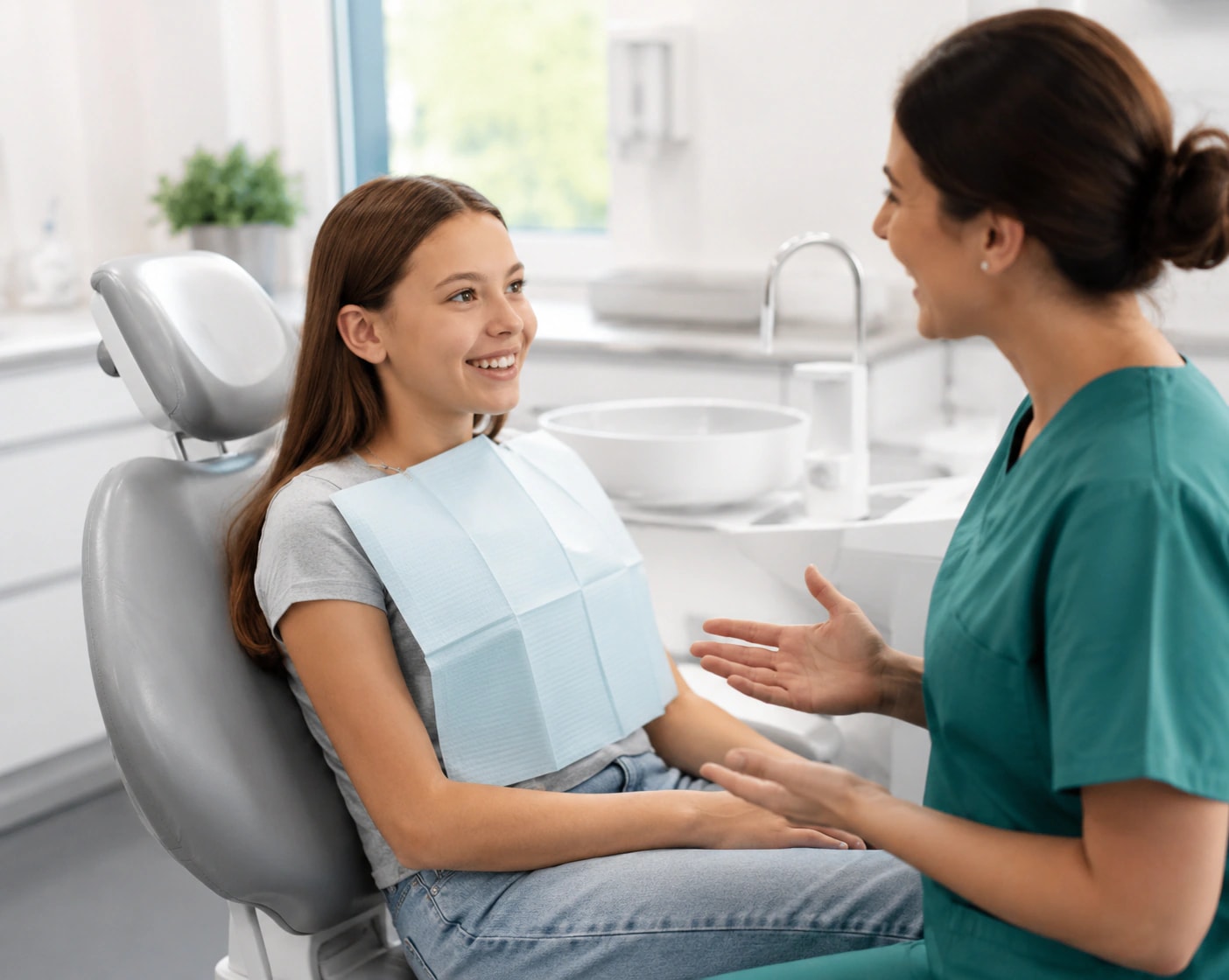
We will review your current routine, show you the areas that need more attention and demonstrate suitable tools or techniques. The aim is to leave you with something practical enough to keep doing between visits.
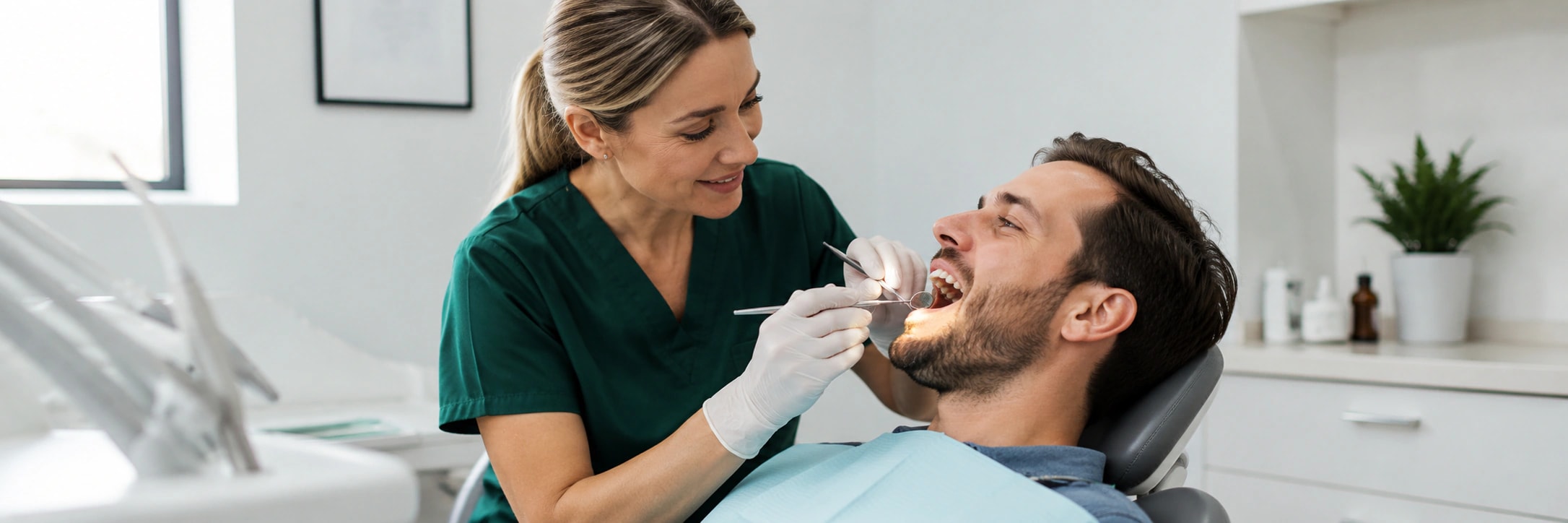
The appointment starts with your current routine and the areas that seem difficult, frustrating, or easy to miss.
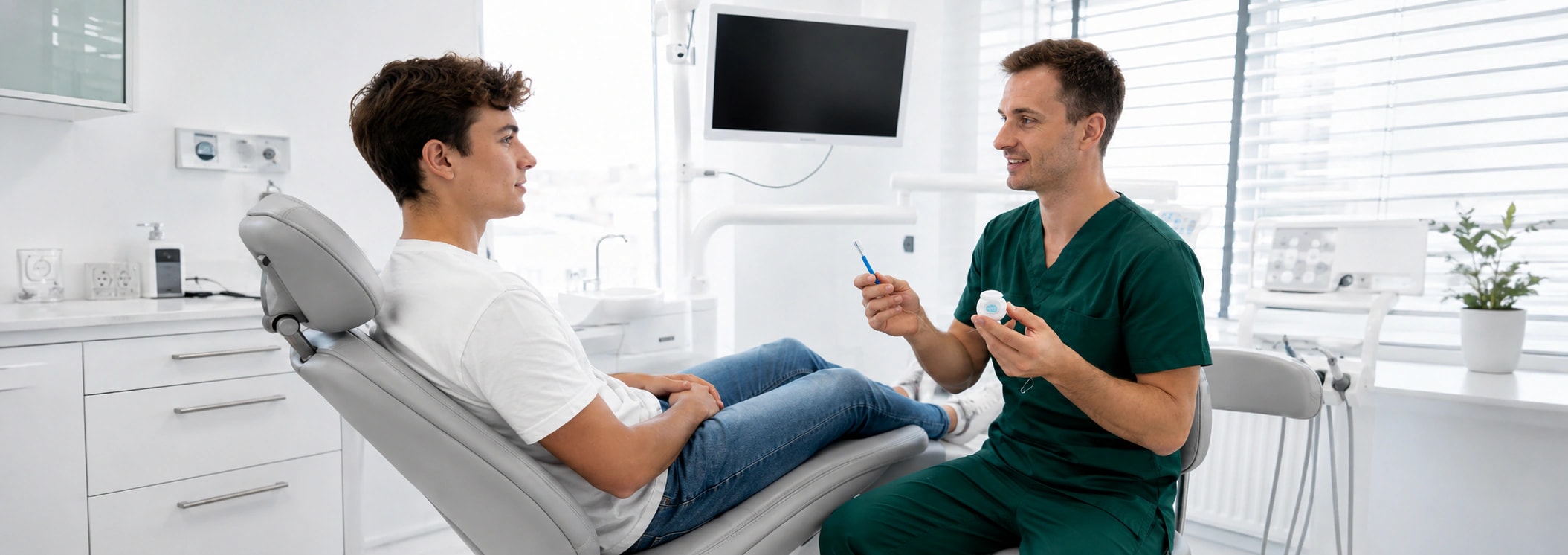
Your dentist or hygienist may discuss toothbrush technique, floss, interdental brushes, fluoride toothpaste, appliance cleaning, or children's routines where suitable.
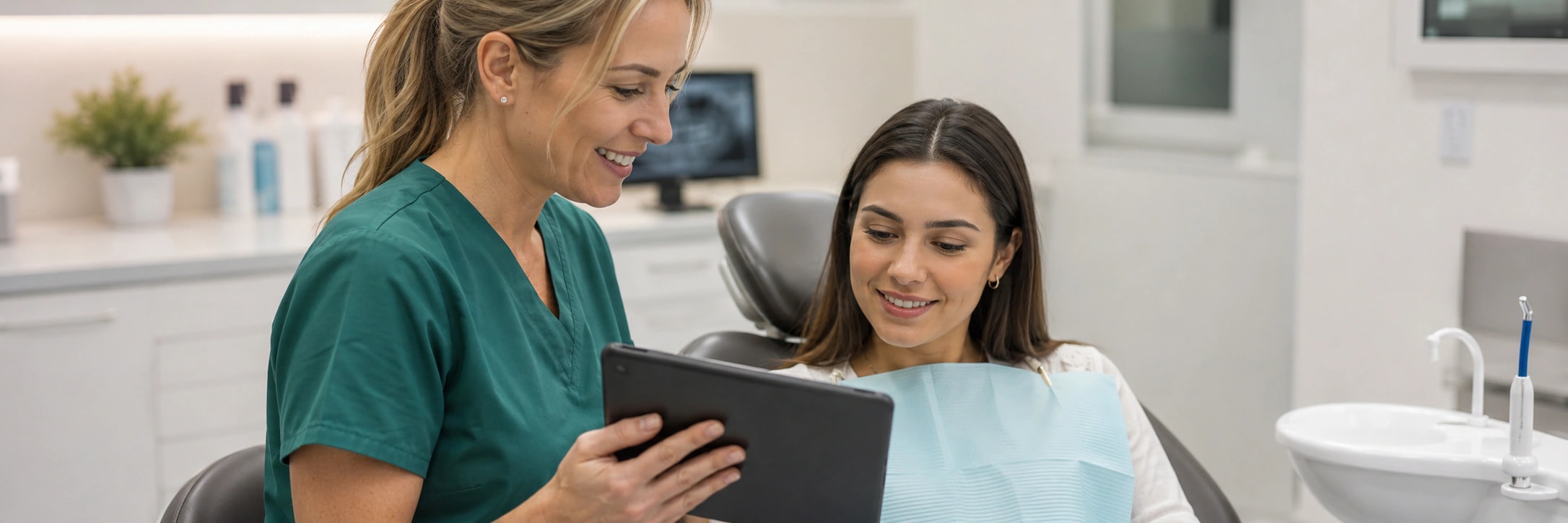
You leave with a prevention plan that focuses on the next useful changes, plus advice about check-ups, scale and clean timing, gum treatment, costs, or health fund item numbers if further care is needed.
Prevention
A useful home-care routine is one you can repeat. Advice may change as your gums settle, children grow, appliances change, or new dental work is placed.
Related Care
Oral hygiene advice often connects with scale and clean appointments, gum treatment, dental check-ups, children's dentistry, and payment planning.
Fees, Health Funds, Payment Options
Helpful
























FAQs
Answers to common questions about brushing, flossing, interdental brushes, bleeding gums, children's habits, costs, and health funds.
That is a common starting point, and the appointment is not about blame. The goal is to find a cleaning method you can actually use.
A simple routine that fits your mouth is usually more useful than advice that is too hard to keep doing.
Visit Dalkeith Dental