





Tooth grooves and enamel
Your dentist checks groove depth, early decay signs, staining, enamel condition, eruption stage, and whether the tooth can be kept dry enough for placement.
Children's Prevention
Some back teeth have deep grooves that trap food and plaque even with good brushing. A fissure sealant is a thin protective material that may be used on suitable teeth to make those grooves easier to protect.
Ask about fissure sealants during a child's check-up or preventive visit if you are concerned about deep grooves or decay risk.
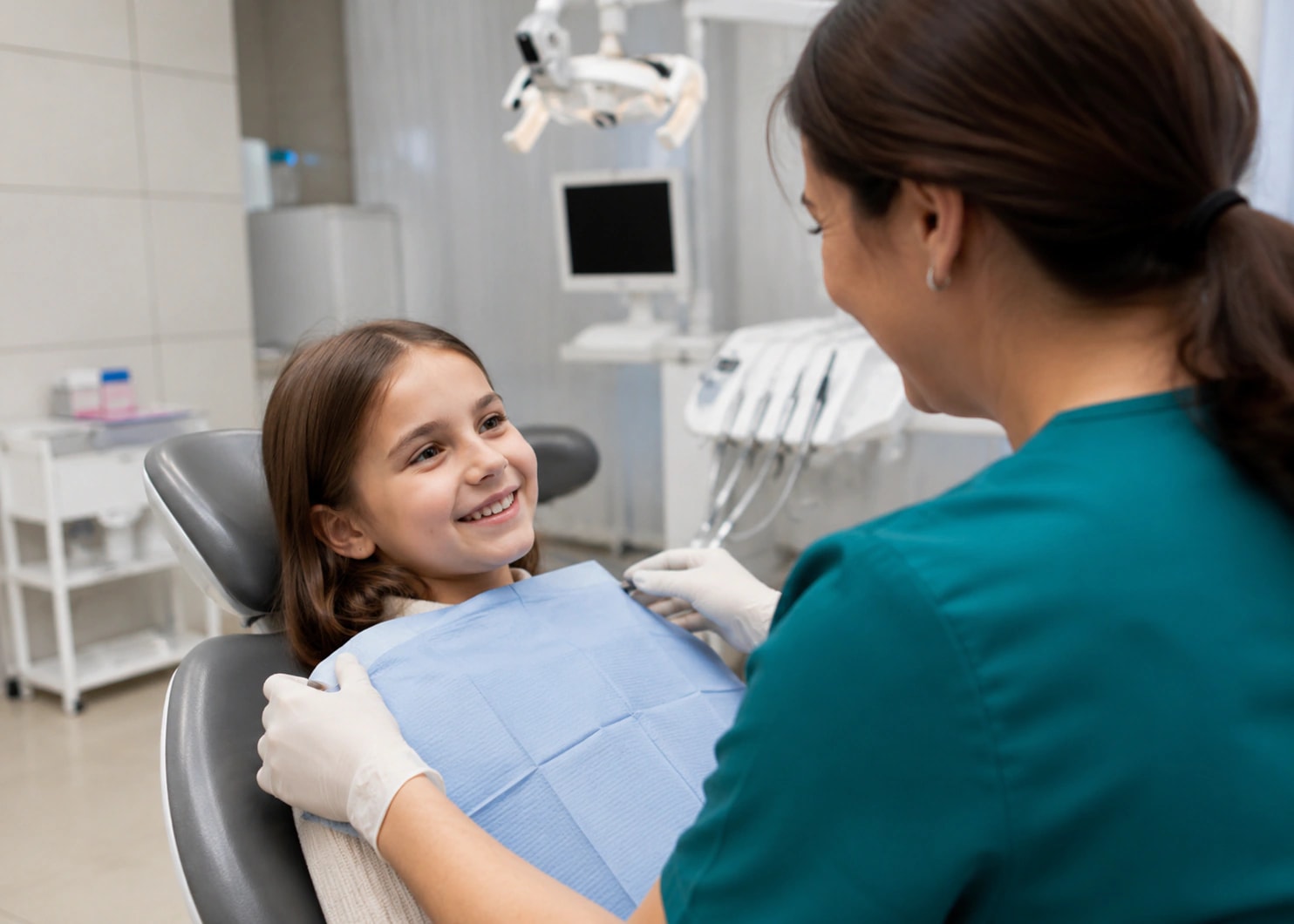
Useful for
Children or teenagers with deep grooves in molars, early decay risk, or preventive needs after a check-up
Costs
Fees depend on the number of teeth, suitability, appointment needs, and health fund cover; itemised costs are discussed first
RISKS & LIMITATIONS
Possible risks, limitations, expected maintenance requirements, and the potential need for additional care are discussed where relevant before treatment begins.
Start Here
We consider the depth and condition of the grooves, eruption stage, decay risk, brushing and fluoride exposure. Sealants are not needed on every tooth and they do not replace brushing, fluoride or regular check-ups.
Assessment
Your dentist checks tooth grooves, eruption stage, bite, decay risk, and suitability before recommending fissure sealants.
Your dentist checks groove depth, early decay signs, staining, enamel condition, eruption stage, and whether the tooth can be kept dry enough for placement.
Bite contact is reviewed so the sealant can be assessed for fit and wear risk after placement.
Diet, brushing, fluoride exposure, previous decay, and family routines help your dentist assess whether sealants are suitable as part of prevention.
Your dentist explains whether sealants, fluoride treatment, monitoring, or another preventive option is suitable, with itemised costs discussed first.
Your Appointment
If a tooth is suitable, it is cleaned and prepared before the sealant is placed and checked against the bite. We will explain how it fits into the wider prevention plan and how it should be reviewed over time.
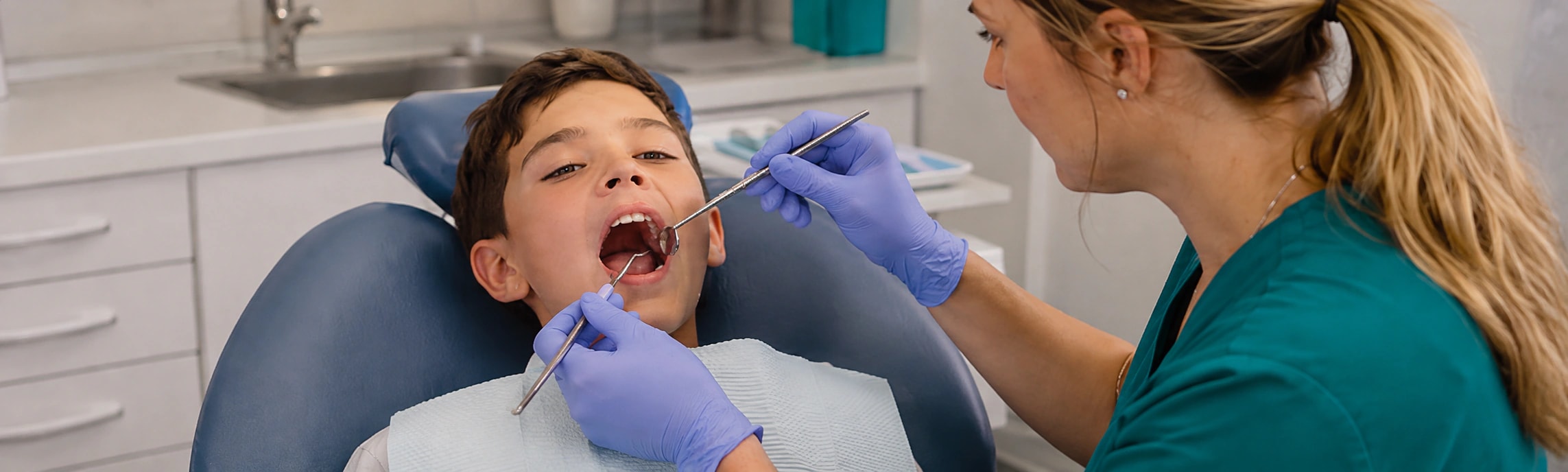
The appointment starts with a check of the back teeth, brushing challenges, diet, symptoms, and whether the tooth surface is suitable for sealing.

If clinically appropriate, the tooth is cleaned and prepared before the sealant is placed into the grooves and checked against the bite.

Your dentist explains brushing, diet, fluoride, review timing, health fund item numbers, and what to do if a sealant chips or wears.
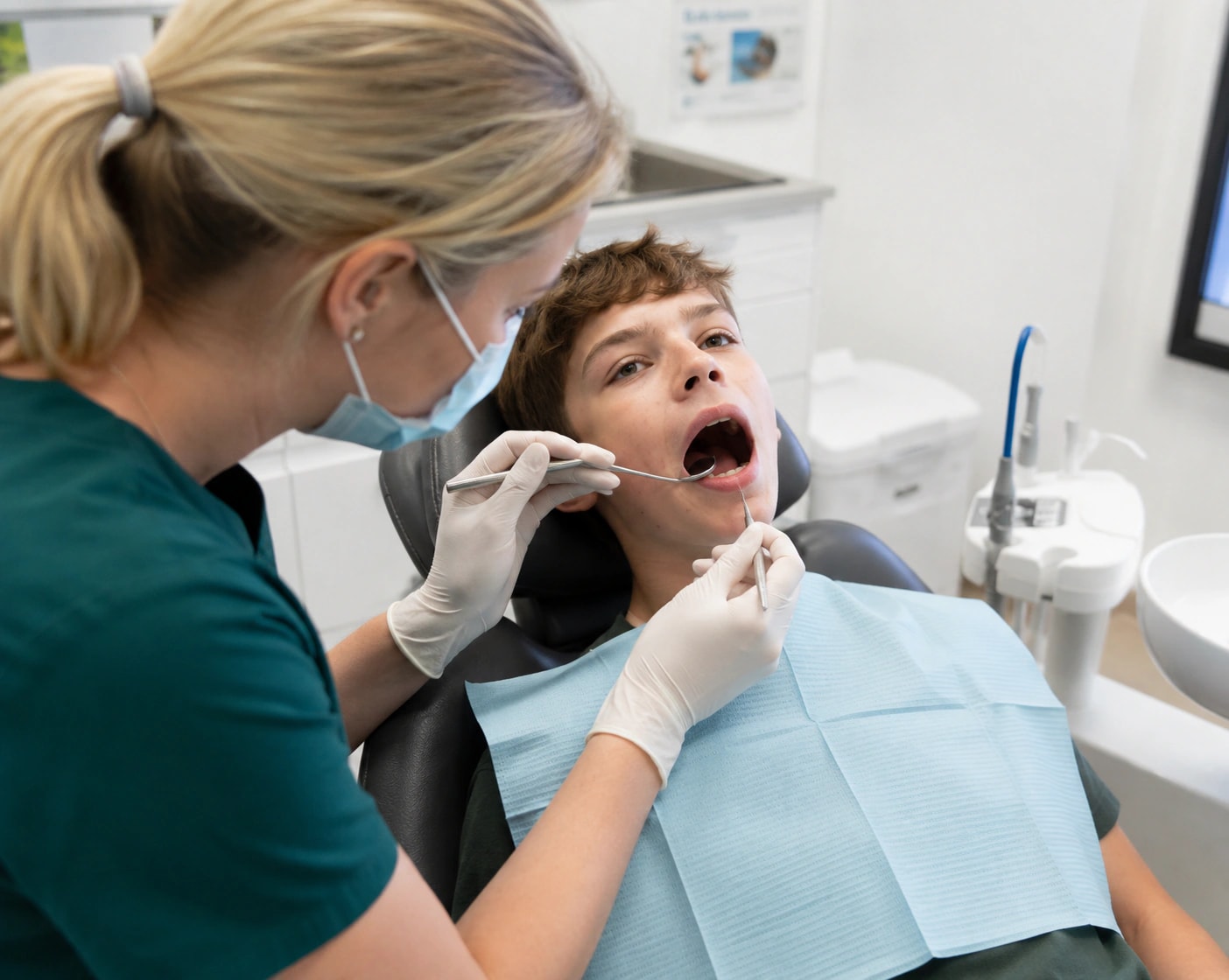
Maintenance
Sealants need review because they can wear, chip, or come away over time. They work best as part of a broader preventive plan rather than as a one-off guarantee.
Related Care
Fissure sealants often connect with children's dentistry, routine check-ups, fluoride treatment, and payment planning.
Fees, Health Funds, Payment Options
Helpful
























FAQs
Answers to common questions about Fissure Sealants for children and teenagers, suitability, maintenance, costs, and health funds.
No. Fissure sealants can help protect selected grooves where suitable, but they cannot guarantee that decay will not occur.
Your dentist can explain how sealants fit into your child's wider prevention plan.
Visit Dalkeith Dental