





Enamel and tooth surfaces
Your dentist checks enamel condition, early decay risk, exposed roots, sensitivity areas, tooth wear, restorations, and tooth surfaces that are difficult to clean.
Tooth Strength Support
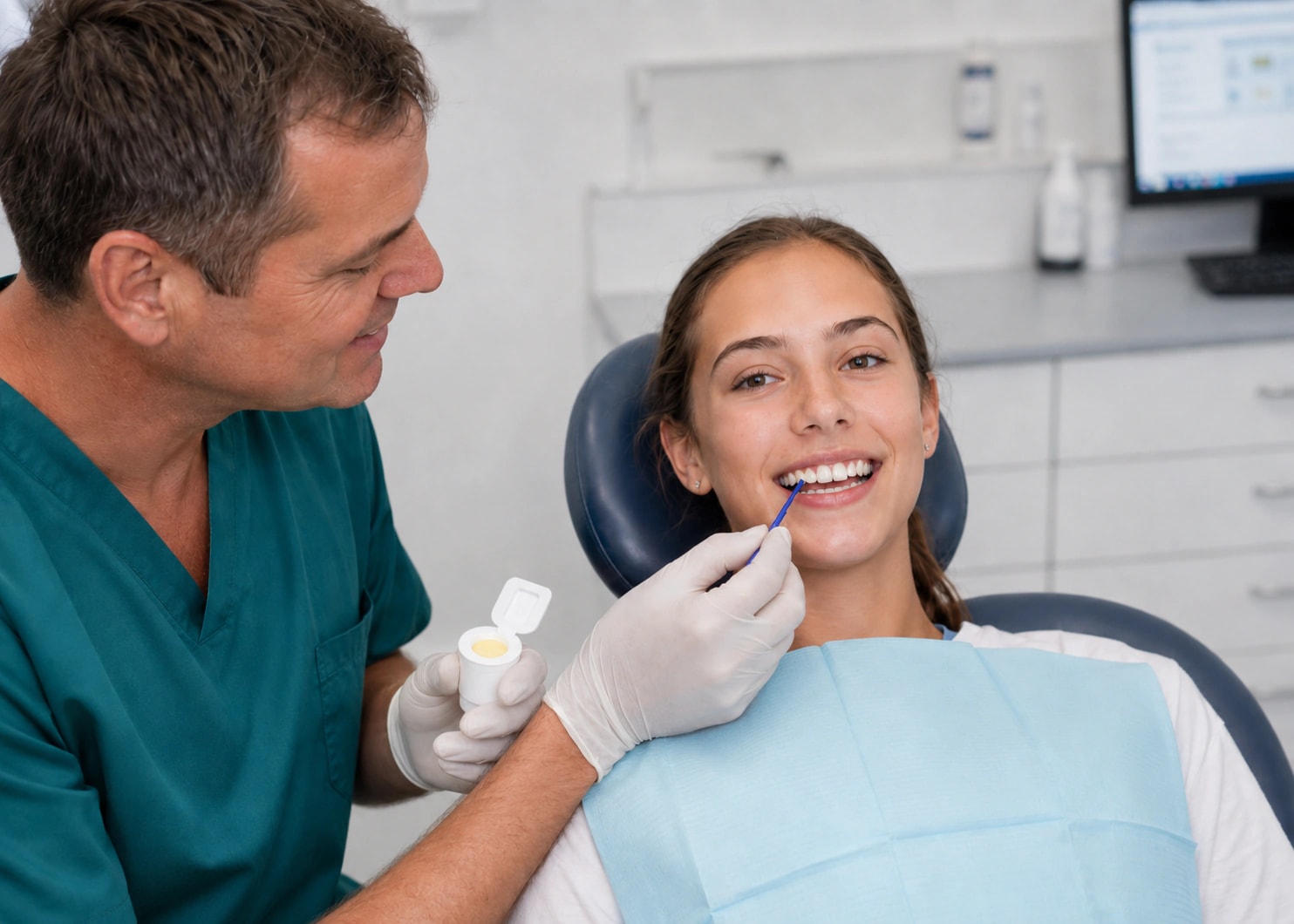
Professional fluoride can be useful for some people with higher decay risk, sensitivity, exposed roots, enamel changes, dry mouth or orthodontic appliances. It is one part of prevention, not something every patient automatically needs.
Ask us about fluoride if you have sensitivity, a history of frequent decay or you are planning prevention for a child or teenager.
Useful for
Tooth sensitivity, early enamel concerns, higher decay risk, children's prevention, dry mouth, and hygiene maintenance plans
Costs
Fees depend on assessment, product type, appointment context, and health fund cover; itemised costs are discussed first
RISKS & LIMITATIONS
Possible risks, limitations, expected maintenance requirements, and the potential need for additional care are discussed where relevant before treatment begins.
Start Here
We look at tooth surfaces, decay history, sensitivity, diet, home-care habits, dry mouth and fluoride exposure. From there we can explain whether professional fluoride, changes at home or another preventive measure would be useful.
Assessment
Your dentist checks enamel, sensitivity, gums, decay risk, home care, and suitability before recommending fluoride treatment.
Your dentist checks enamel condition, early decay risk, exposed roots, sensitivity areas, tooth wear, restorations, and tooth surfaces that are difficult to clean.
Diet, brushing, fluoride toothpaste use, dry mouth, medications, orthodontic appliances, and previous decay help shape the prevention plan.
Gum recession, plaque, calculus, bleeding, and soft-tissue factors may affect sensitivity and whether hygiene care is needed first.
Your dentist explains whether fluoride, sealants, a scale and clean, home-care advice, or monitoring is suitable, with itemised costs discussed first.
Your Appointment
If fluoride is appropriate, it may be applied during a preventive or hygiene visit. We will explain what it is for, any instructions afterwards and what you can do at home to support the same goal.
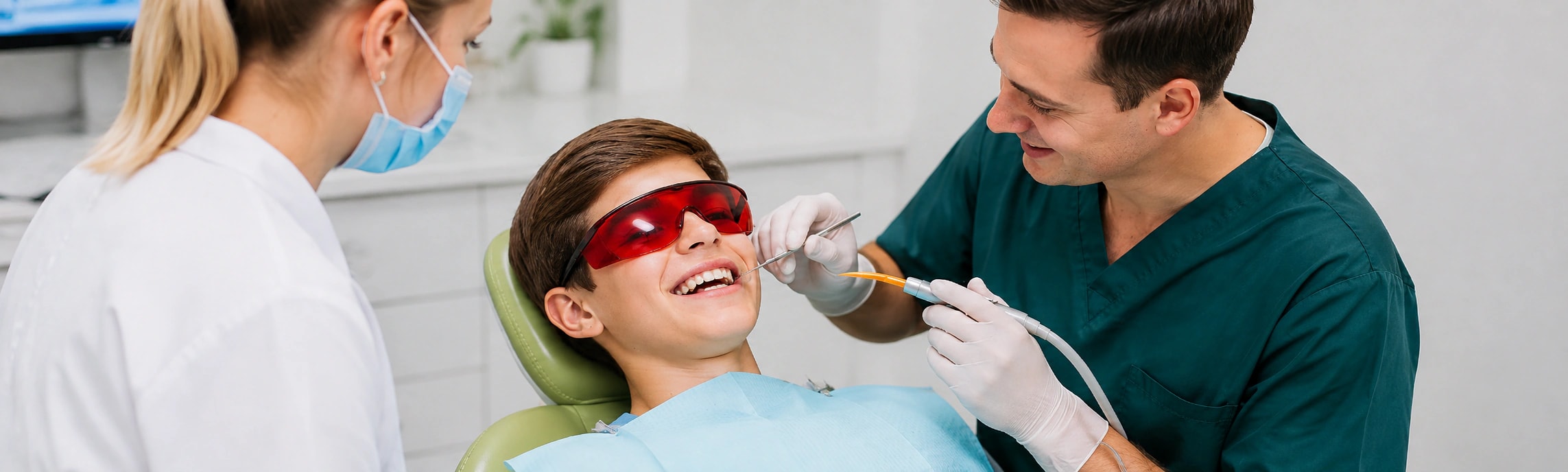
The appointment starts with your concerns, dental history, home-care routine, diet, medications, and any recent check-up or hygiene findings.

If clinically appropriate, fluoride may be applied to selected teeth or as part of a preventive appointment, with instructions explained before you leave.

Your dentist discusses toothpaste, brushing, interdental cleaning, diet, recall timing, health fund item numbers, and itemised costs for any further care.
Prevention Plan
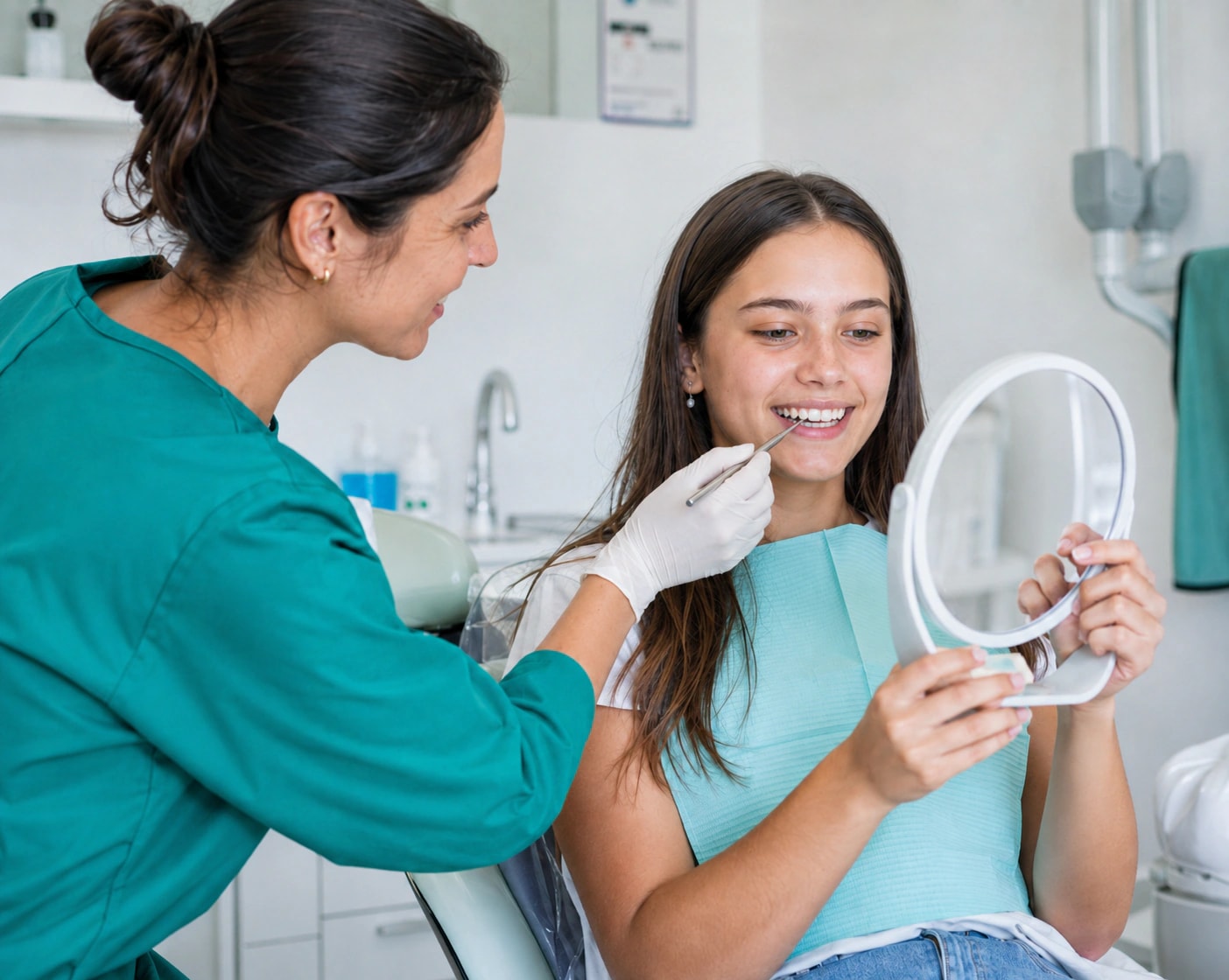
Fluoride treatment is usually one part of a wider plan. Frequency depends on age, decay risk, sensitivity, dry mouth, orthodontic appliances, home care, and dental findings.
Related Care
Fluoride treatment often connects with check-ups, scale and clean appointments, children's dentistry, home-care advice, and payment planning.
Fees, Health Funds, Payment Options
Helpful
























FAQs
Answers to common questions about fluoride treatment, sensitivity, children's prevention, suitability, costs, and health funds.
Fluoride treatment may be discussed when decay risk, sensitivity, enamel changes, dry mouth, or children's prevention needs make extra support worth considering.
Your dentist can explain whether fluoride is appropriate for your situation.
Visit Dalkeith Dental