





Pacing and control
Some patients do well with a conversation-first visit, shorter appointments, agreed pauses, step-by-step explanations, or staged treatment before considering sedation.
Sedation Dentistry
If anxiety, gagging, needle worries, a difficult past experience or a longer procedure makes treatment feel overwhelming, sedation may be worth discussing. The right support depends on your health, the dental treatment and what specifically makes appointments difficult for you.
Tell reception if you are specifically asking about sedation so the team can arrange the right type of appointment and note any questions you want addressed.
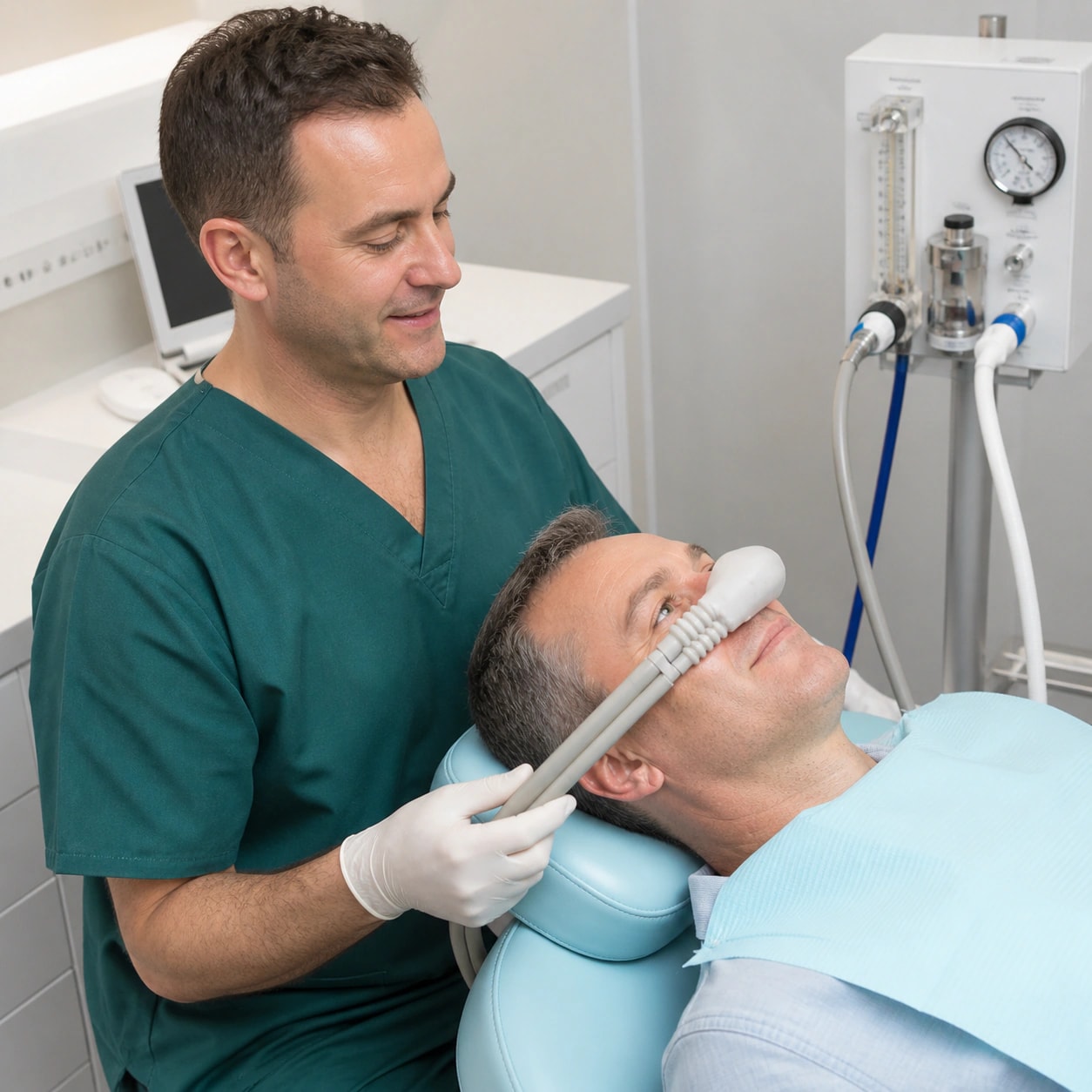
Useful for
Nervous patients, gagging concerns, needle anxiety, longer treatment, or appointments where support options need assessment
Costs
Fees depend on assessment, treatment, sedation type, appointment time, and any separate sedation practitioner fees; itemised costs are discussed first
RISKS & LIMITATIONS
Possible risks, limitations, expected maintenance requirements, and the potential need for additional care are discussed where relevant before treatment begins.
Start Here
Some patients do well with extra time, clear explanations, pauses and staged care. Others may benefit from a sedation pathway. We review your medical history, medicines, anxiety triggers and treatment needs before recommending anything.
Support Options
The most suitable support depends on your health, the dental treatment, appointment length, and what has made care difficult before. Your dentist can explain which pathway is realistic after assessment.
Assessment
Your dentist checks anxiety triggers, medical history, medicines, treatment needs, suitability, preparation, recovery, and costs before recommending sedation.
Anxiety triggers, gagging, needle concerns, previous dental experiences, pain history, and what makes you feel able to pause or continue are discussed before care is planned.
Your dentist reviews medical conditions, medicines, allergies, pregnancy status, previous sedation or anaesthetic reactions, and other factors that may affect suitability.
The tooth, gum, wisdom tooth, emergency, or restorative problem is assessed so the team can explain what treatment is needed and whether sedation is appropriate for that care.
Preparation, fasting or medication instructions where relevant, escort or transport needs, recovery expectations, itemised treatment costs, and any separate sedation fees are discussed before treatment.
Your Appointment
The first visit is usually a discussion and assessment. We will explain the support options that may be appropriate, preparation requirements, transport or escort needs where relevant, separate fees and what the day of treatment would involve.

The appointment starts with what worries you, what has helped before, medical history, medicines, allergies, pregnancy status, and any previous sedation or anaesthetic problems.

Your dentist checks the tooth, gums, symptoms, records needs, treatment length, and whether the appointment can be managed with pacing, local anaesthetic, sedation discussion, referral, or staged care.

If sedation is suitable, the team explains the likely process, preparation instructions, escort or transport needs, recovery considerations, alternatives, and itemised costs before treatment is booked.

Sedation Planning
Sedation appointments need more planning than a routine visit. The exact instructions depend on your health, the sedation pathway, the treatment, and who is providing the sedation.
Related Care
Sedation dentistry often connects with nervous-patient support, check-ups, extractions, wisdom teeth, emergency care, and fee guidance.
Fees, Health Funds, Payment Options
Helpful
























FAQs
Answers to common questions about sedation dentistry, inhaled support, IV sedation, sleep dentistry wording, suitability, medical history, transport, recovery, costs, and alternatives.
Sedation dentistry means discussing medicines or sedation support that may help selected patients manage dental treatment. It does not replace dental assessment, consent, local anaesthetic where needed, or a treatment plan based on what is clinically appropriate.
Visit Dalkeith Dental