





Gum health is checked first
Active gum inflammation, bleeding, recession, or periodontal history may need assessment or treatment before tooth movement is planned.
Adult Orthodontics
You may notice crowding that was not there before, spaces changing, an old retainer no longer fitting or your bite feeling different. Adult orthodontic care starts by checking teeth, gums and existing dental work before discussing movement.
Book an adult orthodontic assessment if your teeth have shifted or you want to discuss alignment before other dental treatment.
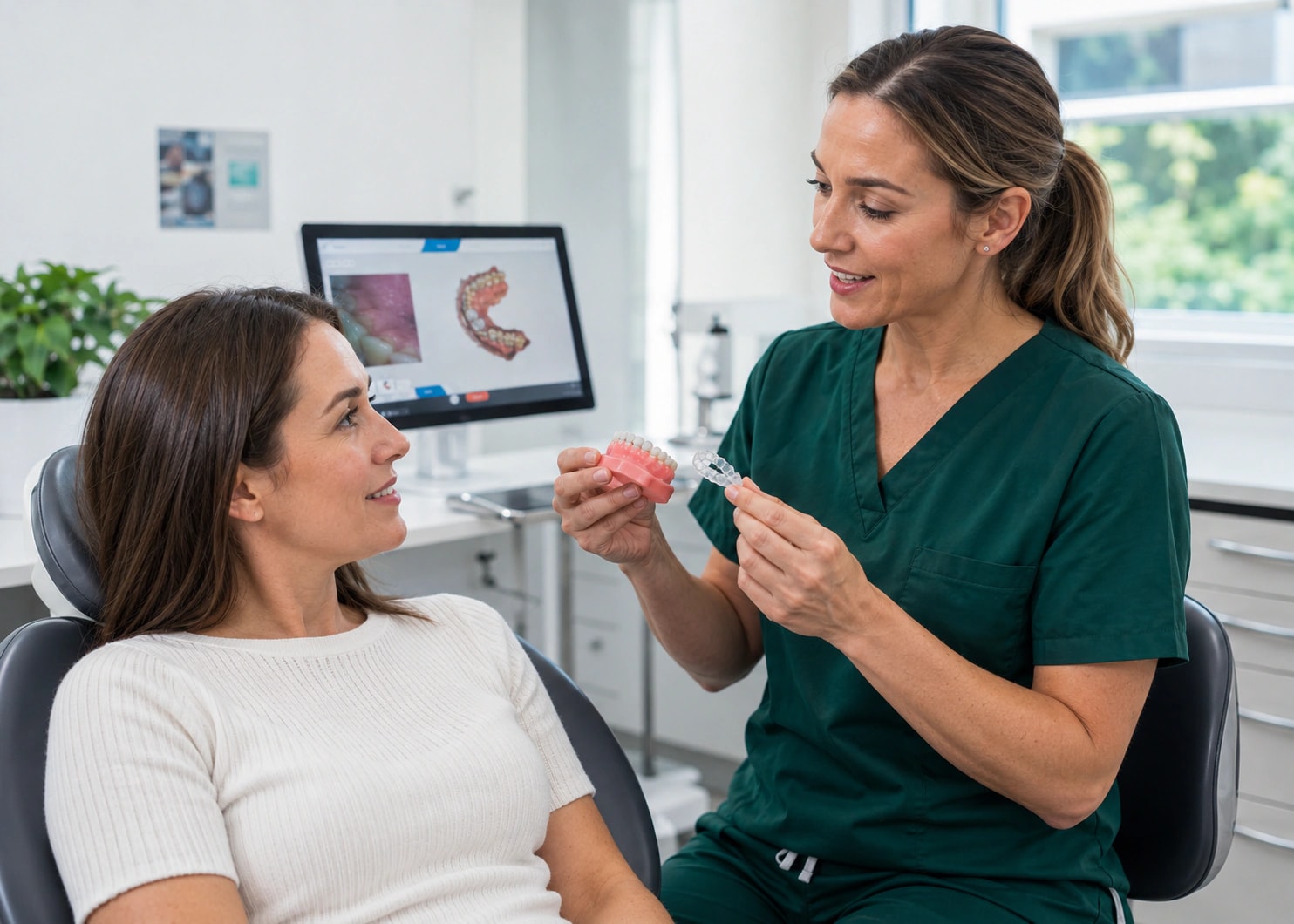
Useful for
Adults with shifted teeth, crowding, spacing, uneven bite, retainer concerns, or alignment questions before cosmetic or restorative care
Costs
Records, complexity, review visits, referral needs, retainers, and health fund cover can affect fees; itemised costs are discussed first
RISKS & LIMITATIONS
Possible risks, limitations, expected maintenance requirements, and the potential need for additional care are discussed where relevant before treatment begins.
Start Here
Adults often have fillings, crowns, implants or gum considerations that affect orthodontic planning. If you are considering cosmetic or restorative treatment, alignment may sometimes be useful first; in other cases it may not be necessary.
Planning
Adult orthodontic planning is shaped by oral health, existing dental work, bite function, daily habits, and the reason you are considering treatment.
Assessment
Your dentist checks teeth, restorations, gum health, bite, jaw function, records needs, and suitability before recommending next steps.
Your dentist reviews tooth wear, cracks, crowding, spacing, previous orthodontic movement, and existing fillings, crowns, bridges, implants, or missing teeth.
Gum inflammation, recession, bleeding, periodontal history, and cleaning access are checked because tooth movement depends on stable supporting tissues.
Bite contacts, jaw symptoms, tooth wear, clenching signs, and functional concerns are reviewed before orthodontic options are discussed.
Photographs, scans, radiographs, previous records, suitability limits, referral needs, and itemised costs may be discussed where clinically indicated.
Your Appointment
We will assess your teeth, gums and bite, discuss previous orthodontic history and explain whether aligners, monitoring, a new retainer or referral is the appropriate next conversation.

The appointment starts with what you would like to change, previous orthodontic treatment, retainer history, dental work, symptoms, priorities, and questions about timing or cost.

Your dentist checks teeth, restorations, gum health, bite, jaw function, and whether photographs, scans, radiographs, or previous records are needed.

The dentist explains whether clear aligners, monitoring, referral, hygiene care, restorative care, retainers, or another pathway may be suitable, with itemised costs before treatment begins.
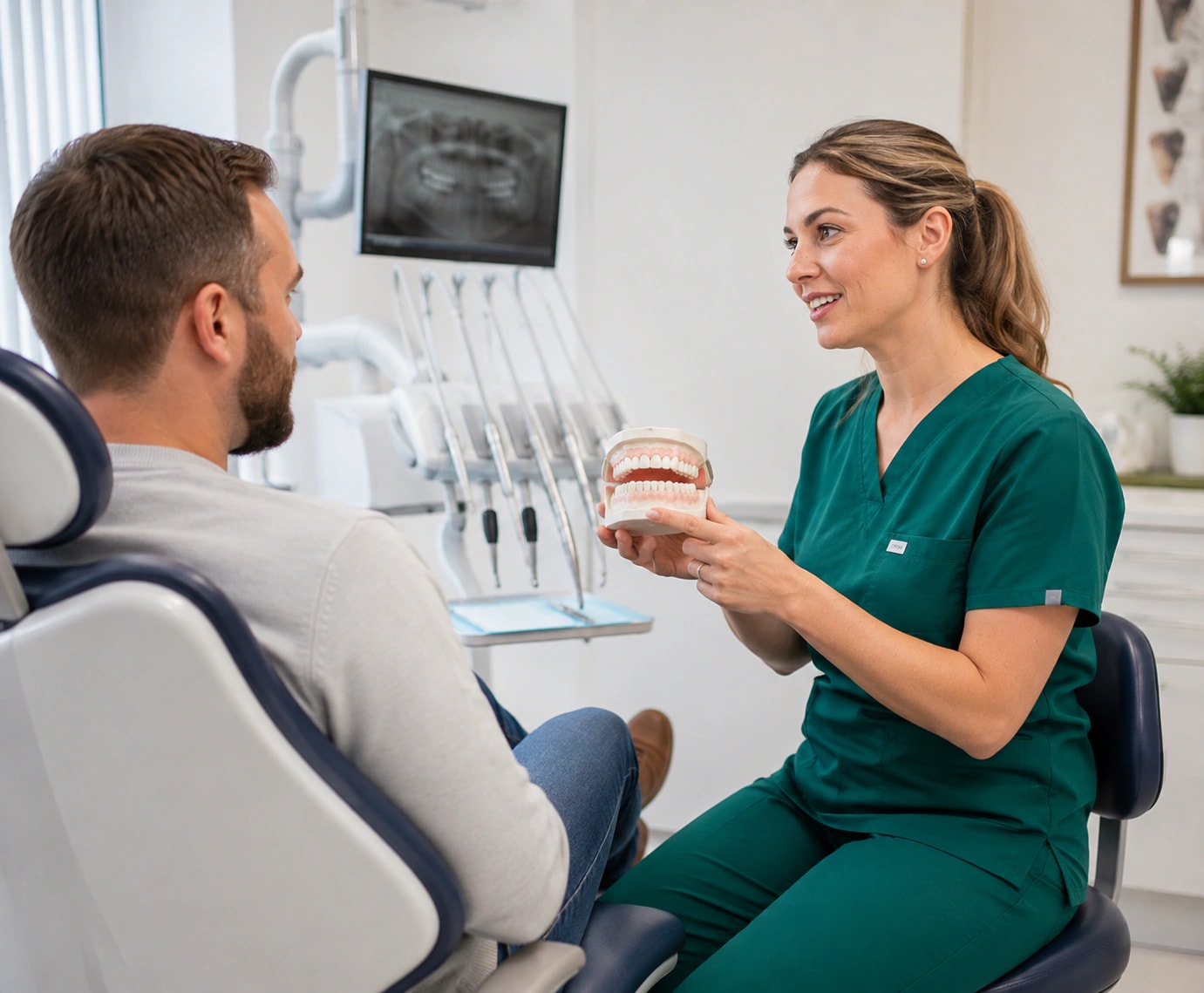
Adult Planning
Adult orthodontic timing depends on oral health, treatment complexity, records, daily wear, review appointments, and whether other dental care is needed before, during, or after orthodontics.
Related Care
Adult orthodontic planning often connects with clear aligners, check-ups, hygiene, gum care, cosmetic dentistry, and fees or health fund questions.
Fees, Health Funds, Payment Options
Helpful
























FAQs
Answers to common adult questions about orthodontic suitability, clear aligners, dental work, gum health, timing, costs, retainers, cosmetic planning, and referral.
Adults can be assessed for orthodontic treatment at many ages, but suitability depends on teeth, gum health, bite, existing dental work, records, medical and dental history, and treatment goals. Your dentist can explain whether aligners, monitoring, referral, or another pathway may be suitable.
Visit Dalkeith Dental