





Teeth and gums come first
Decay, gum inflammation, heavy bleeding, or unstable dental work may need attention before tooth movement is planned.
Orthodontics
Clear aligners use removable trays to move teeth gradually. They may suit some crowding and spacing concerns, but they depend on the type of tooth movement needed and on wearing the aligners consistently.
Book an aligner assessment if you are considering removable orthodontic treatment. If you are unsure whether your concern is orthodontic or simply needs a check-up, call us.

Useful for
Mild to moderate crowding or spacing, shifted teeth, pre-cosmetic alignment planning, and adults or teens able to wear removable aligners consistently
Costs
Complexity, records, aligner number, review visits, and retainers affect fees; itemised costs are discussed first
RISKS & LIMITATIONS
Possible risks, limitations, expected maintenance requirements, and the potential need for additional care are discussed where relevant before treatment begins.
Start Here
We check teeth, gums, bite and records, then consider the complexity of movement, oral hygiene and whether removable treatment fits your routine. Some cases are better monitored, treated another way or referred for specialist orthodontic care.
Suitability
Clear aligner planning is partly clinical and partly practical. The best plan is one you can wear, review, clean around, and maintain after active treatment.
Assessment
Your dentist checks oral health, bite, records, and suitability before discussing clear aligner treatment. The exact assessment depends on your teeth and goals.
Healthy teeth and gums are important before tooth movement begins. Gum inflammation, decay, or active dental problems may need care first.
Your bite, jaw position, tooth wear, and functional concerns are reviewed because aligners may not be suitable for every orthodontic problem.
Photographs, scans, radiographs, or other records may be recommended to understand tooth positions and plan movement where clinically appropriate.
Suitability, likely stages, treatment limits, review visits, retainer needs, and itemised costs are discussed. Complex bite correction, active gum disease, untreated decay, or poor wear compliance may change the plan.
Your Appointment
At the assessment we will discuss what you would like to change, examine your bite and teeth and explain what records may be needed. If aligners are suitable, we can then talk through wear, reviews, retainers, limitations and costs.
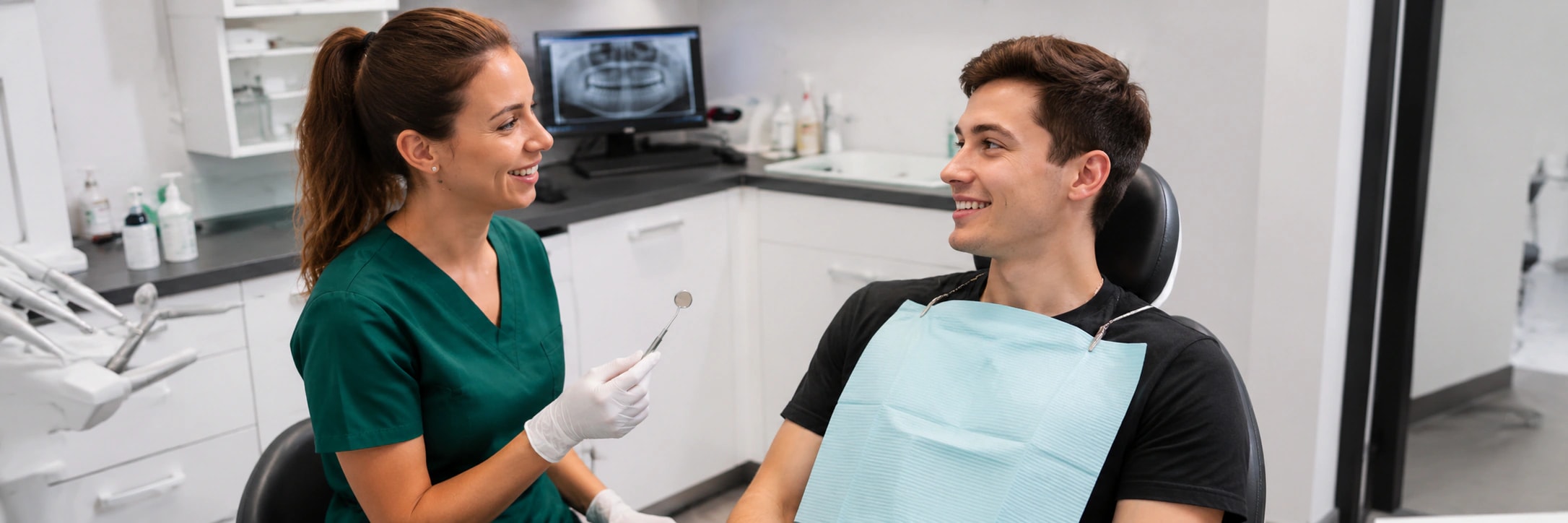
The appointment starts with what you would like to change, any previous orthodontic treatment, your dental history, and any concerns about timing, cost, or daily wear.

Your dentist checks oral health and bite function. Records may include photographs, scans, radiographs, and 3D digital treatment planning where clinically appropriate.

If aligners may suit your case, the dentist explains the likely process, limits, reviews, retainers, and costs before treatment begins.

Aligner Timing
Clear aligner timing depends on the amount and type of tooth movement, how consistently aligners are worn, oral health, and whether refinements or retainers are needed.
Related Care
Clear aligners may connect with broader orthodontic care, hygiene care, gum care, or a dental check-up before treatment begins.
Fees, Health Funds, Payment Options
Helpful
























FAQs
Answers to common questions about clear aligners, suitability, cost, timing, wear time, retainers, teens, and health funds.
Suitability depends on more than whether your teeth look crowded or spaced. Your dentist needs to check oral health, bite, records, and whether aligners are practical for your situation.
A consultation helps work out whether clear aligners are a sensible option before records or a digital plan are recommended.
Explore orthodontic careVisit Dalkeith Dental